In brief
- Airports can be stressful places, but they all run on familiar procedures
- Planning and preparing for the airport can help to reduce anxiety
- The #1 tip for reducing airport anxiety is to arrive early, giving yourself enough time to move through each stage
How to stay calm in airport
Airports can be busy, loud and stressful places for anxious flyers. Coping with airport anxiety is about planning and preparing. Frequent flyers usually have a plan for every stage of the airport experience, enabling them to navigate it calmly and confidently.
In this guide, we’re going to walk you through each step of the process and provide some expert tips on how to stay calm from frequent travellers.
Give yourself enough time!
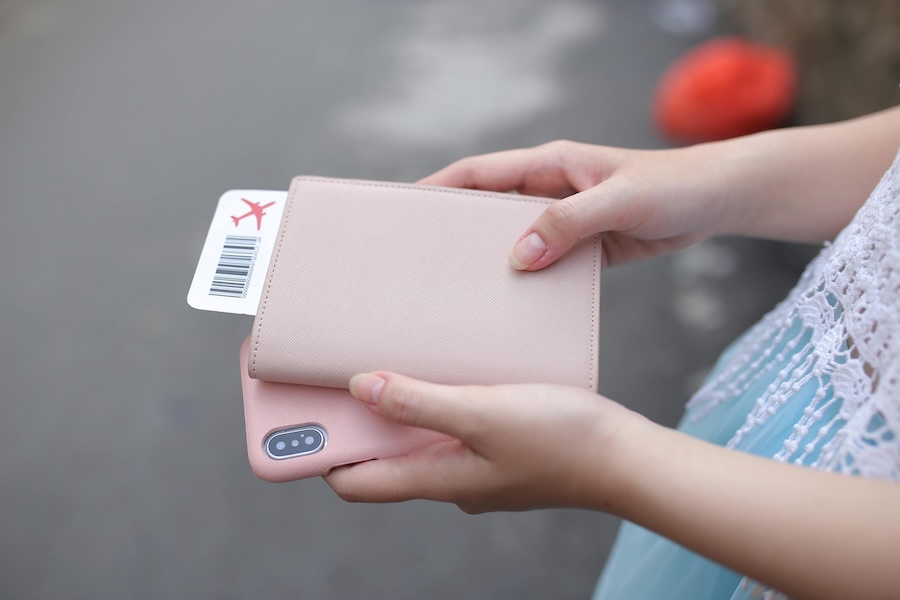
The most important tip is to give yourself enough time at the airport. This is especially important if you’re flying at busy times like the holidays or during the summer. Everything, from check-in to boarding, can take longer during peak times.
The recommendations are to arrive at the airport 2 hours before a domestic flight and 3 hours before a long-haul flight. If you’re a nervous flyer, arriving earlier still will enable you to move through each stage of the process as slowly as you wish.
Plan your airport strategy
Airports may have different designs, but the process of checking into your flight is likely to be the same wherever you travel in the world. That’s positive, because it means that you can prepare for each stage mentally and physically.
We’re going to walk you through how to plan and prepare to reduce airport anxiety. Spending time undestanding each step can reduce its power and potential to cause stress.
Research the airport
If you’re using an airport you’ve never been to before, it can help to do some research. Online reviews will provide insights into what the airport is like – the good and the bad. You can also check the facilities at the airport.
Larger airports will take longer to navigate than regional airports, so you’ll need to give yourself a little extra time, for example.
Packing a bag
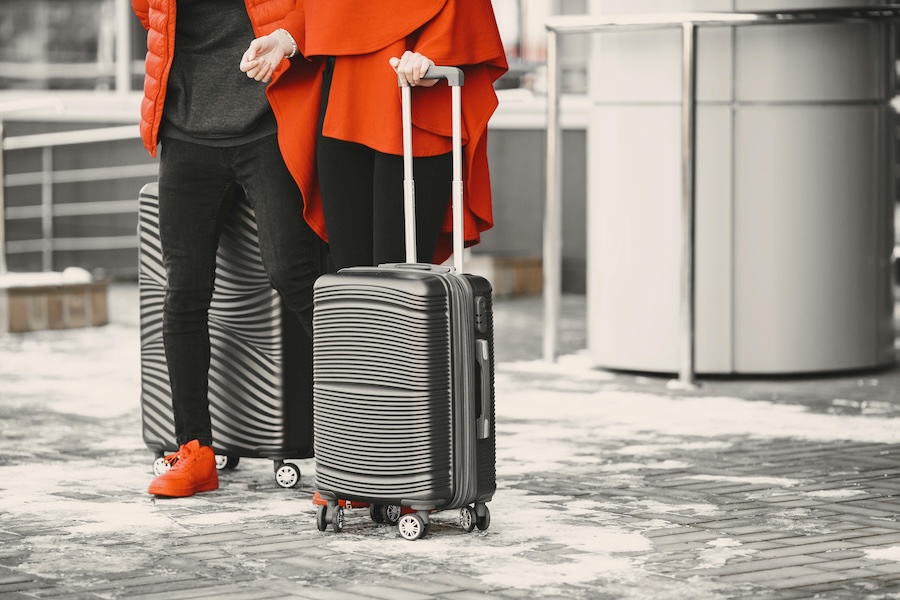
You’ll need to have your passport and tickets to hand (or mobile phone, if you’re using an e-ticket). These should be somewhere safe and secure but easily accessible.
Anxious flyers may check these things regularly, so always keep them in the same place.
If you’re able to print your tickets at home, we usually print two copies and put them in different places (one in hand luggage and one inside hold luggage, for example). This provides peace of mind.
Always measure your luggage before you travel. Hand luggage should be small enough to get on the plane (airlines differ, so you’ll need to check guidance online).
You should weigh any hold luggage before travelling to the airport. You can pick up a set of luggage scales online cheaply and can reduce stress.
Travelling to the airport
Travelling to the airport is a common cause of stress. Always ensure you’ve planned your travel in advance (including booking a taxi, securing train tickets, or bus passes) and know where you’re going and at what time.
If you’re parking at the airport, always have everything ready to go and research the transit time from the car park to the terminal. In some airports, you may park several miles away and have to catch a bus.
Entering the terminal
This is where flying often becomes ‘real’ to many people – and can be a source of stress. It’s also likely to be the last time that you are able to breathe fresh air until you board the plane.
If you find your anxiety starts to rise, breathing exercises can be helpful.
Diaphragmatic breathing (breathing through the nose, holding then exhaling through the mouth) can calm your nerves, while being discreet.
Check-in and bag drop
The first stage is to check-in. You’ll need to have your tickets and passport ready. There can often be a lengthy queue at this point, but it will move quickly.
If you have hold luggage, it’ll be weighed before being checked in.
While the check-in assistant may not be able to tell you the exact gate you’ll be using, they can offer some advice. In larger airports, this can help you to stay nearby – cutting down on stress before boarding.
This process is usually relatively calm, easy and ordered – but it can be stressful as it’s a commitment to getting on the plabe. Preparing for this stage can reduce a significant amount of airport anxiety.
Security checks
Many anxious flyers find security checks are a cause of stress – but they’re done for your protection.
During the security screening you’ll be asked to remove items from your pockets and things like belts and place them into a box. You’ll also need to place any bags into trays. Some airports make you remove electronic devices and place them into separate trays.
Once you’ve done this, you’ll be asked to walk through a scanner. In some airports, security staff may have hand-held scanners.
In most cases, you’ll be able to walk straight through. Sometimes security staff may ask you to unpack your bag or may do more extensive checks. These can be triggered randomly or because they want to check more closely.
The process should take a few minutes in total. Some airports offer fast track security checks. These are worth the expense if you find this part of the process stressful.
Passport checks
Passport checks can happen either before or after the security stage (and before boarding at the departure gate). In many airports, passport are checked automatically by eGates. In other countries and airports they will be checked by a real person.
Either way, the process – and outcome – is the same.
Some people can find passport checks hard to deal with, particularly as the security staff may appear strict and stern. This is all part of the job and nothing to worry about. Answer any and all questions honestly and you’ll have nothing to worry about.
Making the most of the airport lounge
Some anxious flyers hate the airport lounge but for us, it’s a chance to restore a bit of calm before boarding. Here’s where your research can help you to make a plan of the places you want to go.
If possible, find a place or space where you can sit down, relax and reflect. There are lots of breathing exercises that can be done without drawing attention to yourself.
If airports are a trigger for your anxiety, you’re nearly through it. You need to find the strength for the last part, boarding.
Gates open
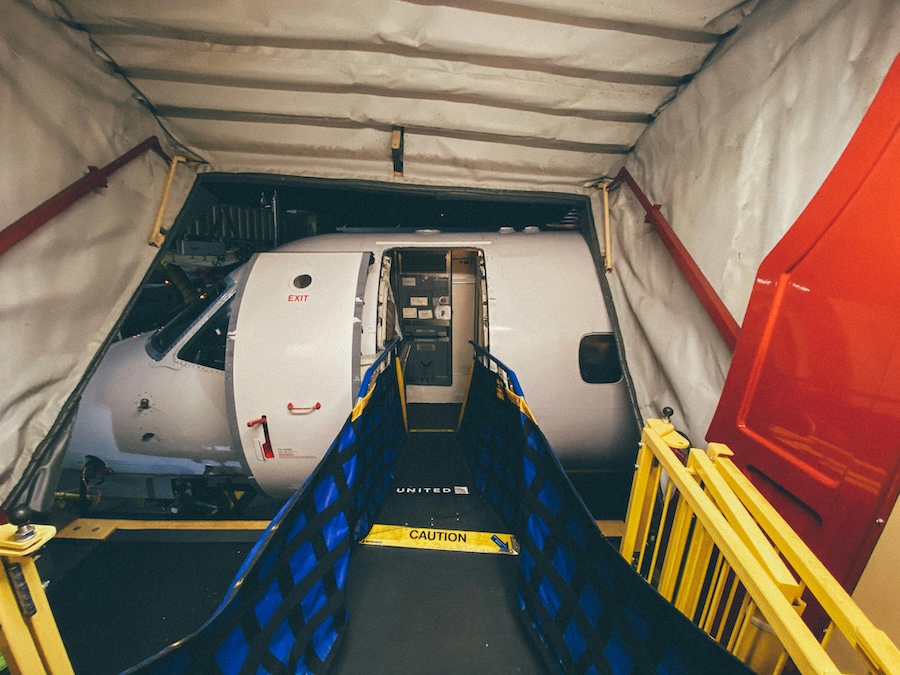
The boarding gate of your flight will be announced around half an hour before you fly. You’ll need to keep checking the departure boards for information. When your flight’s departure gate appears, it’s time to get moving!
You can prepare for this stage by having all hand luggage ready and everyone in your party prepared.
Begin boarding
When you arrive at the boarding gate, you’ll often have to queue up. A member of the cabin crew will check your ticket and passport before you board. They may also check the size of your carry-on bags (particularly if you’re flying with a low-cost carrier!).
If you have priority boarding, you’ll be allowed to enter first. Otherwise, you’ll need to queue up with everyone else.
This stage can feel quite pressured, but there’s no need to feel rushed. Find some space at the back of the queue and take your time. If you have a ticket, you’ll be getting on the plane.
As you walk through the departure gate, you’re leaving the airport and starting the next – and most exciting – part of your journey!
You’re ready for the next stage of your journey
Airport anxiety is incredibly common and something that you can cope with by planning and preparing. Understanding the steps you’ll go through can restore some control which can help to improve confidence.
Airports aren’t always nice places to be, but your time there is thankfully short. The aim should be to pass through as quickly as possible – which we hope we’ve helped with.
If you’re about to fly, don’t forget to download the Calm Flight Toolkit which is packed full of tips to help you stay relaxed before and during your flight.
Please share this article with anyone who might benefit from it.
FAQs
The standard recommendation is to arrive 2 hours before a domestic flight and 3 hours before a long-haul flight. If you’re a nervous flyer, it is best to arrive even earlier. This enables you through each stage of the airport process slowly and calmly without significant time pressure.
Diaphragmatic breathing (breathing through the nose, holding, then exhaling through the mouth) is a helpful and discreet breathing exercise that can calm your nerves. Ultimately, planning and preparing for each stage of the airport travel experience can help you feel more relaxed and, crucially, in control.
This is a common issue for anxious travellers. While it can feel uncomfortable, the security check process is done for your protection and should only take a few minutes in total. Fast track security check-in can be a wise investment if you don’t like this stage.