
In brief
- Cabin crew understand soe people are afraid of flying and are trained to help
- Telling cabin crew you’re afraid of flying is about taking back control
- Cabin crew can provide reassurance and support during your flight
Why speak to cabin crew about fear of flying
Telling the cabin crew that you’re a nervous flyer can make a huge difference to your journey. Flight attendants are trained to support anxious passengers, but they can only help if they know how you feel. Here is a practical guide you can use to tell cabin crew that you may need some extra support on the flight.
So how do you tell them? And what should you expect once you do? Let’s explore.
Why it helps to speak up
One of the biggest mistakes nervous flyers make is staying quiet about their fear. We’re conditioned to be embarrassed and even ashamed about fear, but keeping it all inside is the worst thing you can do. It can cause anxiety to build up, potentially spiralling into a panic attack.
You may think you’re bothering the crew, or that they won’t have time to listen. In reality, cabin crew would much rather know if a passenger is struggling with a fear of flying than ignore it.
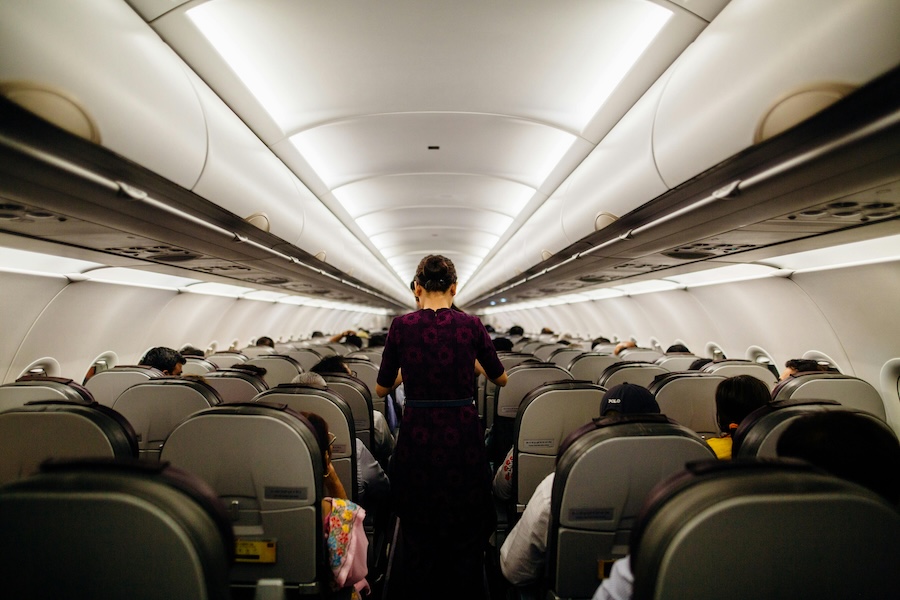
Cabin crew do far more than serve drinks and demonstrate safety procedures, they’re there to ensure you feel safe and supported.
By letting them know you’re anxious, you:
- Give them the chance to check in with you during the flight.
- Receive reassurance during turbulence or unexpected noises.
- Can ask questions about safety, the aircraft, or the flight process.
- Avoid the feeling of having to “hold it all in”.
Telling cabin crew in a polite way that you’re a nervous flyer is a small step that can change the whole experience for you and your flight companions.
Here we walk you through who to tell and when.
When to tell the cabin crew
The best time to share your worries is before takeoff. Here’s how you might approach it:
- At the gate: If you’re really nervous, you can mention it to the gate staff, who will often pass it on to the crew. You can ask for a quiet word or simply whisper it in their ear.
- When you board: As you step onto the aircraft, simply tell the first flight attendant you see: “Hi, I’m a bit of a nervous flyer, so I just wanted to let you know.” They’ll acknowledge it and remember to speak to you later.
- Once seated: If you didn’t have a chance at the door, you can quietly let a crew member know when they walk through the cabin.
Don’t worry, there’s no need to make a big announcement. All you need to do is make a simple and polite mention.

What to say (and what not to worry about)
You don’t need a script, but we know (through experience!) that preparing a few words in advance can reduce any fear you face.
Something like this can work really well:
- “I just wanted to let you know I’m a nervous flyer.”
- “I get a bit anxious during flights, especially with turbulence.”
“Could you let me know if there’s anything I should expect during this journey?”
The key is to keep it short and straightforward. Trust us, you won’t be the first. Cabin crew hear this often and will understand immediately what you’re saying to them.
What you shouldn’t worry about is being judged. Nervous flying is normal, and admitting it doesn’t make you weak. In fact, it shows you’re managing your fear. Bottling it up can sometimes make anxiety worse and increase the risk of panic
Speaking to someone and having them legitimise your fear is a positive first step in developing greater confidence. You’re taking charge of your anxiety, and that’s to be respected.
How cabin crew can support you
Once you’ve told cabin crew you’re a nervous flyer, what happens next?
Every airline is slightly different. Cabin crew have a vital job to do and this is their first priority, but when boarding is completed and the flight is safely in the air, you can expect cabin crew to:
- Check in with you personally: A reassuring smile or a quick “are you okay?” can help calm nerves. Don’t expect minute-by-minute updates, but ongoing care is usually part of it.
- Explain turbulence: If turbulence is forecasted or expected, they can reassure you that it’s uncomfortable but safe.
- Offer distractions: From chatting with you to recommending entertainment options, cabin crew can help shift your focus. Again, it depends on the airline, but you can expect more support on long-haul flights and with premium airlines.
While having a professional flyer sitting next to you may reduce anxiety, it’s unlikely to happen. But knowing they’re aware can be a huge comfort.
On the flip side, you need to respect that cabin crew have a job to do, including caring for every passenger on the plane. Try not to monopolise their time or make unrealistic requests.
Reframing how you see cabin crew
Cabin crew are the most visible symbol of safety on a plane. Everything they do is to keep passengers safe and protected.
Pay attention to them during the flight. Notice how calm they remain during turbulence, how relaxed they are when moving about the cabin, and how familiar they are with the environment.
The confidence of cabin crew is based on training and experience. It can act as a powerful reminder that flying really is safe.
Cabin crew are like your “safety partners” in the sky. By sharing your anxiety, you’ve given them the opportunity to look out for you.
What if you feel embarrassed to ask for help?
It’s common to feel self-conscious about being a nervous flyer. There’s nothing to be embarrassed or ashamed of when asking for help.
Cabin crew will never make fun of you or dismiss your feelings. By telling them, you’ve done exactly what you should: asked for support in a situation you find challenging.
Speaking up makes flying easier
Airline cabin crew are there for your safety, comfort, and reassurance. By letting them know you’re a nervous flyer, you enable them to provide support that could transform your experience.
Take charge of the situation, ask for help, and fly above your fear, not through it.
For more reassurance visit the Help Desk and download the Calm Flight Toolkit.
Please share this article with anyone who might benefit from it.
Cabin crew are trained to deal with nervous passengers and will be thoughtful and compassionate.
You an tell cabin crew when you board the aircraft or when they’re moving through the cabin. It’s better to speak to cabin crew before they begin service.
An estimated 40% of people are afraid of flying, which means almost half the flight is nervous. By telling cabin crew you’re an anxious flyer, you’re taking control o the situation and asking for a little extra support. Cabin crew are trained and experienced t dealing with anxious travellers and won’t judge you – so don’t judge yourself.