In brief
- Flying alone can cause anxiety in some people (but it can reduce anxiety in others)
- There are practical things you can do to reduce anxiety before and during your flight
- Reflection after the flight can help you build resilience and strength
Why flying alone can increase anxiety
We know that flying alone can increase anxiety in some people, but there are things you can do to manage and mitigate these feelings of stress. Whether you’re facing your first solo flight or you’ve been avoiding travel because of your fear of flying, you’re not alone – we’re here to help.
In this guide, we’ll explore practical and proven strategies to help you manage anxiety before and during your flight. We’re going to help you find the confidence you need to fly.

Why flying alone can feel harder
Flying triggers anxiety for many reasons, including the the fear of losing control, unfamiliar noises, turbulence, or simply being in an enclosed space thousands of feet up.
When you’re alone, you don’t have someone you trust beside you to talk to and engage with for reassurance.
Instead of the anxiety release valve of conversation and communication, your mind can race through ‘what-ifs’: What if I panic mid-flight? What if something happens and I can’t cope?
Of course, you may find flying alone is easier, especially if your anxiety stems from fear of a loss of control and flying with your family. But for many of us, flying alone can feel, well, lonely.
The good news is that there are things you can do to build up your confidence and take back some control.
Step 1: Prepare well before your flight
Good preparation is one of the most effective ways to reduce flying anxiety. Being prepared to fly can help you feel more in control. If your fear of flying stems from a lack of control, this can be highly powerful.
Here are some of the ways you can take back control:
Choose your flight carefully
You’ll need to decide when it’s best for you to fly. Of course, you may be limited in your choice, but if you can choose, you should.
Here are some things to think about:
- Fly in the morning: We know that anxiety tends to peak later in the day when we’re tired (and have had more time to contemplate the flight). Morning flights are usually smoother and less delayed, and you’ll have more time at your destination.
- Avoid tight connections: Rushing through the airport can add unnecessary stress. Give yourself plenty of time to catch a transfer (if you need to).
- Pick your seat wisely: Seat choice is a superstition, but we do find that some anxious flyers prefer to choose. (Check out our guide on airplane seat choice and the implications for your comfort and wellbeing.)
Plan your journey to the airport
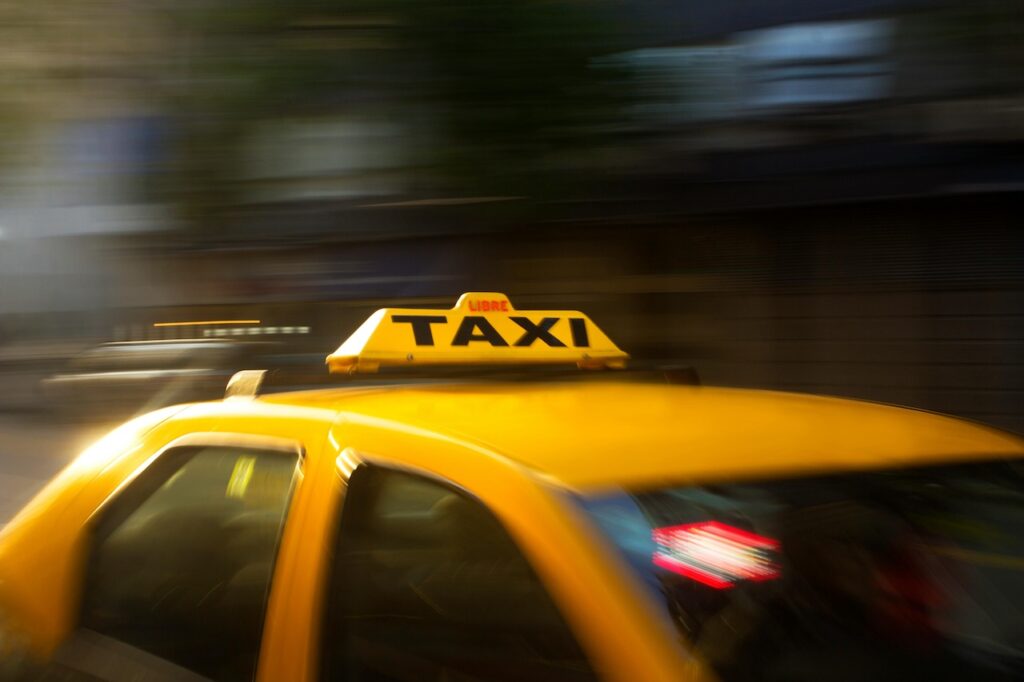
Reducing anxiety is all about reducing stress. Know how you’re getting to the airport, when you’ll arrive, and what documents you’ll need.
It goes without saying, but have your boarding pass ready, and pack your bag a day early.
Create a calming routine
In the days before you travel you can prepare and help to reduce stress:
- Sleep well and aim to eat balanced meals (more fruit and vegetables, and less processed food!)
- Cut back on caffeine and alcohol because both can increase anxiety
- Practice relaxation or breathing exercises if you feel anticipatory anxiety
- Visualise yourself feeling calm and capable on the day of the flight
We know that preparation won’t remove every worry. This can help to build a foundation of calm for your flight.
Step 2: Focus on mindset
When anxiety strikes, your thoughts can spiral quickly and become out of control. But anxiety isn’t a sign of danger, it’s simply your body trying to protect you. There are ways that you can refocus your attention and energy away from generating anxiety, here’s how:
Talk to yourself as you would a friend
This might sound strange, but you can actually challenge your inner dialogue. During anxiety, we can enter our own ‘movies’, with our internal narrative become increasingly negative. So don’t let it.
Instead of judging yourself (“I’m being ridiculous”), offer reassurance (“This is hard, but I’m safe, and I can handle it”).
We recommend writing down grounding statements that you can read during the flight:
- I’ve prepared for this and I’m ready
- Feeling anxious doesn’t mean I’m in danger
- I’m safe, supported, and capable
- Turbulence is uncomfortable, but it’s natural
- This flight is a chance for me to relax and unwind
Step 3: Build your in-flight toolkit
Flying solo means you need strategies you can use on your own. These are small, simple tools that work quietly and effectively.
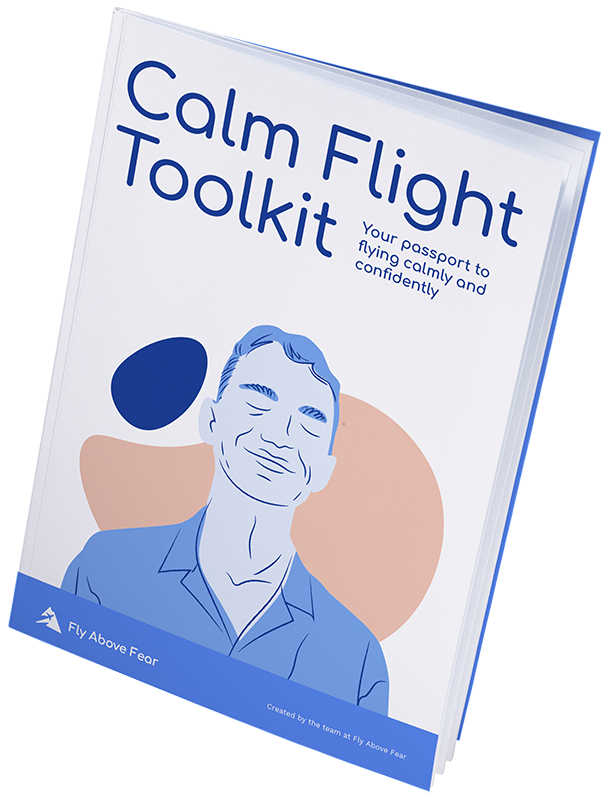
All of the techniques (and more!) are contained in our Calm Flight Toolkit. Download yours today and take it on the plane.
Breathing techniques
Your breath is your built-in anxiety control system. Slow, steady breathing tells your body you’re safe. Try the 4-7-8 method:
- Breathe in for four seconds
- Hold for seven
- Exhale for eight
- Repeat four times
You can do this at takeoff, during turbulence, or anytime you want. It’s an effective technique that can work whether you’re on the ground or 30,000 feet in the air.
Distraction and grounding
Time on the plane is time for you – especially if you’re flying on your own. Don’t waste it, do something useful. You can bring things that engage your mind and senses, including
- Music or podcasts you find calming
- A book or film that absorbs your attention
- A colouring book or sketch pad
- A reflective journal
Check out some of the things we recommend every traveller packs in our guide.
Comfort items
If it helps, you can bring small items that signal safety or comfort. This can include a photo, a piece of jewellery, or a soft scarf. These physical pieces can act as anchors, keeping you grounded when anxiety begins to rise.
Try to ground yourself by focusing on physical sensations. Keep your feet on the floor, feel the weight of the seatbelt, and the air on your skin. We like to turn on the air conditioning and enjoy a gentle breeze. This, combined with the other approaches, can help to keep you in the present moment.
Step 4: Use the power of connection
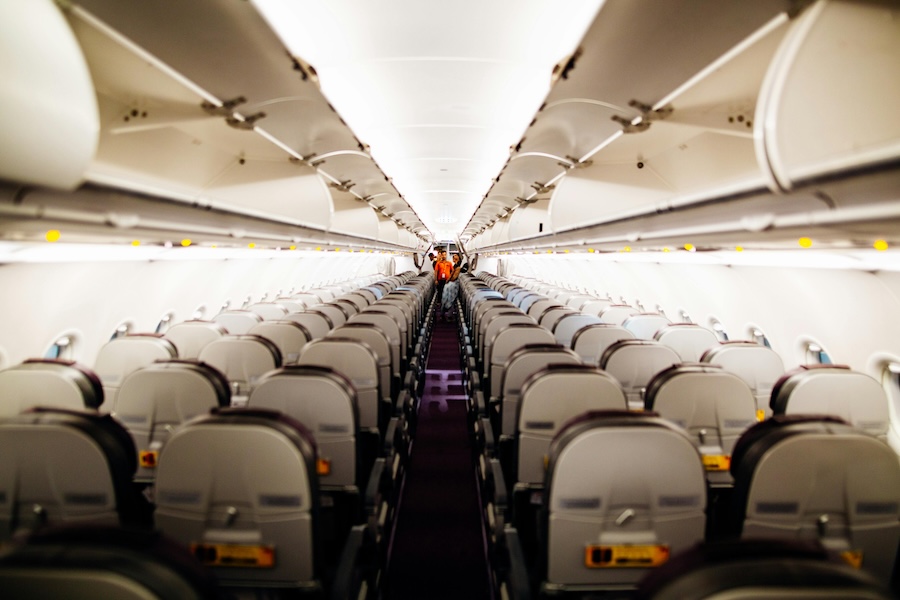
Flying alone doesn’t mean you’re not able to establish a connection. Some airlines now have WiFi onboard, meaning you can connect with your friends, family and supportive communities – all of whom are on the ground.
Let the cabin crew know
If you’re nervous about flying, tell a member of the cabin crew discreetly as you board.
They’re trained to support anxious passengers and they can check in on you or offer reassurance. This can be especially helpful during turbulence.
Connect before you fly
You should tell a trusted friend or family member about your flight and arrange to message them when you land.(Just don’t turn your phone off as you’re coming in to land, as this is important for safety.)
Knowing someone’s waiting to hear from you adds a layer of emotional safety.
If you don’t want to share your anxiety, you can also join online communities or forums for fearful flyers, including this popular Reddit forum. There you can hear from others who understand how you can feel and can offer support.
Step 5: Managing anxiety during the flight
Anxiety is likely to peak in the run up to the flight. For many of us, getting on the plane and taking our seat is the hard bit. At this point, you’ll want to switch your strategy to coping with the experience.
During takeoff
Takeoff is the most common trigger for anxiety as your mind and body faces a huge range of sensations in quick succession.
Focus on:
- Slow breathing and relaxing your shoulders
- Listening to music or a guided relaxation track
- Reminding yourself that takeoff sensations are normal and temporary
During turbulence
We know that turbulence can feel unnerving, but (as we always say) aircraft are built to handle much more than we ever experience.
You can use tools like visualisation (imagining the plane as a car driving over a bumpy road, for example) to help reframe the anxiety. Breathing exercises, too, can help you.
Safety is vital. Always keep your seatbelt fastened, breathe slowly, and distract yourself until it passes – and trust us, it will.
We know turbulence is a huge trigger, so here’s our in-depth guide on how to manage in-flight turbulence.
During quiet moments
Anticipatory anxiety is a big problem. Even during periods of comfortable cruise, anxious passengers can find their minds playing tricks on them, imagining situations that may never occur.
Your physical condition can help you relax mentally. Check in with your body. Are your hands clenched? Shoulders tight? Gently release tension. It can also help to get up (when safe to do so), stretch, or walk to the toilet to reset your energy.
Step 6: After you land
You’ve landed and arrived at your destination safe and sound. Many people like to forget about flights, but it’s important that you take time to commit the positive feelings to memory.
Celebrate what you’ve achieved, because flying alone with anxiety is a huge accomplishment.
Even if it didn’t feel perfect, you did it. Each experience teaches your brain that you can cope.
Reflect on what worked
Make a few notes (or create a CBT journal) about what helped you most. You can also reflect about what you’d do differently next time. This turns each flight into progress and creates a positive pattern that can – and will – build confidence.
Reward yourself
When you do something challenging, you deserve a reward.
Plan something enjoyable when you arrive: a meal you love, a call with a friend, or a quiet rest. Rewarding yourself can also help to reinforce positive associations with flying.
Step 7: Keep building your confidence
We know that anxiety lessens through gentle and consistent exposure. The more you fly, the more your confidence grows. can happen unconsciously, but keeping a reflective journal and committing these feelings to paper (or a digital record) can help reinforce progress.
Between flights, don’t lose the skills and the confidence you’ve developed:
- Practise relaxation and breathing regularly
- Watch videos that demystify flying and explain turbulence scientifically
- Consider a fear of flying course or therapy support to strengthen your confidence
Don’t just survive, thrive
The principle here is to try and shift flying, whether that’s alone or with others, from something you endure to something you experience. (We’re not going to pretend you’ll enjoy it, because not many of us do!)
When you fly alone, you’re not isolated. With the right preparation, mindset, and tools, you can travel confidently and safely. Each time you do, you’ll build greater resilience, confidence and inner strength. You won’t fly through your fear – but above it.
Please share this article with anyone who might benefit from it.
FAQs
Flying on your own removes the physical and emotional support you get from others. Some people can find flying increases anxiety, while others find slo flying less stressful.
You can prepare yourself before the flight both mentally and physically. Choosing a flight at a good time, picking the right seat and packing a flight bag can all help. When you’re on the plane, having breathing and grounding techniques memorised can help. You can also tell cabin crew you’re an anxious flyer.
Avoiding flying can amplify feelings of anxiety. Instead of avoiding flying, find ways that can help you cope with the experience. If self-help isn’t working, consider getting professional support.