In brief
- Flying after a long break is completely safe
- The longer you avoid flying, the more the anxiety can build
- There are practical things you can do to regain confidence and fly calmly
Should I fly?
Flying is safe, and there’s no medical or safety reason why you shouldn’t get on a plane and enjoy the freedom, fun, and opportunities available to you.
We’re going to look at why it’s safe to fly after a long break and how you can reduce some of your anxieties if you’re stepping on board after a while away.

Why am I nervous about flying again?
Many people feel more nervous about flying after years on the ground.
For some, the break has allowed fears to resurface or grow. Psychologists have found that avoidance can strengthen phobias.
The longer you avoid flying, the more intimidating the activity can become. By not flying, you could be creating an ever-bigger psychological barrier to getting on the plane.
But this doesn’t mean the fear you’re feeling isn’t rational. As we’ve explored in detail, flight anxiety is common and rooted in understandable concerns. We can all identify with the fear of heights, lack of control, or worries about safety.
In the end, statistics don’t lie. Commercial flying is significantly safer than driving, cycling, or even walking and most of us do these things every day without any concerns.
Understanding aviation safety
Commercial air travel is probably the safest form of transport per mile travelled.
According to the International Air Transport Association (IATA), the 2023 accident rate was one major accident for every 1.26 million flights globally. That’s a record high in safety terms. The UK’s Civil Aviation Authority (CAA) also reports that fatalities in commercial aviation remain exceptionally rare.
It’s true that there have been some fatal accidents recently. These have had a huge profile and, for those afraid of flying, are a cause of anxiety.
Flying is incredibly safe, but it’s not risk-free. The risk isn’t zero, but it’s incredibly low.
The thing to remember is that the safety of flying does not diminish because you personally haven’t been on a plane for some time.
In terms of operational safety, the answer is yes: it is safe to fly again after years away.
Rebuilding confidence in the air
Fear of flying is common, and there are lots of things that you can do to help yourself.
Breathing exercises, grounding techniques, and guided meditations can support anxious travellers. Airlines across the world offer fear-of-flying courses, combining psychological support with practical education about aviation safety.
For those with an acute fear of flying, CBT therapy can help to challenge your current perspective and refocus your mind away from negative thoughts.
What’s important is finding ways that you can travel confidence, knowing that you’ll be safe and secure.
Practical steps if you’re flying again
If you’re planning your first flight after years away, preparation can make the experience smoother. This isn’t an exhaustive list, but it is based on personal experience about ways to reduce anxiety:
- Check your health: If you have concerns about your health before you fly, always speak with a healthcare professional. Don’t rely on unverified online sources.
- Choose the right flight: A shorter journey may help you re-familiarise yourself with the experience of flying. Shorter flights can build confidence. Always choose your seat, too.
- Plan for comfort: Try to make the experience of flying as fun as possible. Bring water, comfortable clothing, and anything that helps you relax (noise-cancelling headphones, reading material, or a downloaded playlist).
- Arrive early: Rushing through airports adds unnecessary stress, so get there as early as you can.
- Set realistic expectations: Flying rarely goes 100% smoothly. Accepting minor delays or inconveniences as part of the process can reduce anxiety.
- Confidence is a mask: Visualise yourself as a confident, calm, and professional passenger. Think confidently and act confidently (even if you’re struggling a little inside).
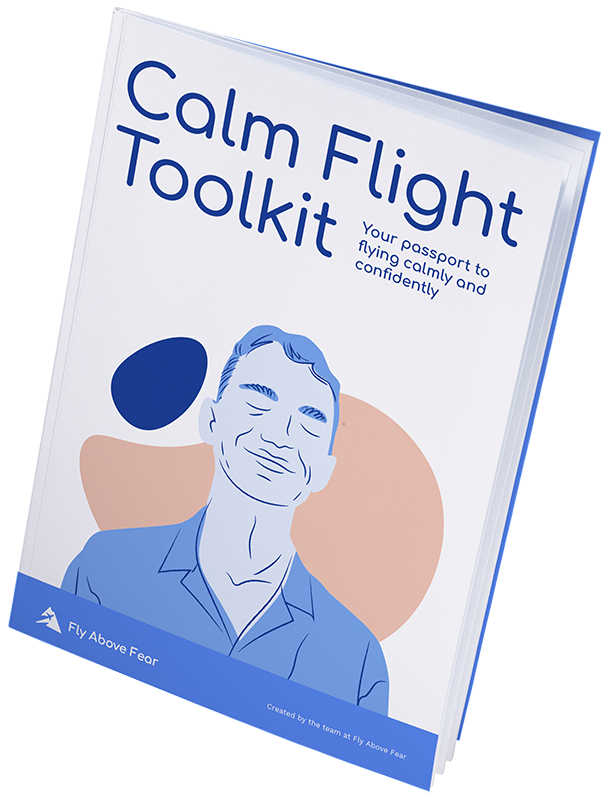
- Download the Fly Above Fear Calm Flight Toolkit: This is packed full of information, advice, tools, and techniques to help you fly above your fear, not through it.
So, is it safe to fly after a long break?
In short: yes, flying after a long break is safe. Air travel is safe and, for most healthy people, there are no additional risks in returning to the skies.
Getting on a plane may always be a challenge for some people. The key is preparation, self-awareness, and (if needed), professional support.
For more information on how to deal with flight anxiety, visit the Help Desk.
Please share this article with anyone who might benefit from it.
FAQs
Flying after a long break has no bearing on the safety of commercial aviation. As the stats show, the chances of you being in an accident are incredibly rare, so you can fly with confidence.
By avoiding flying, your brain might associate avoiding flying with safety. You need to break free of this and understand your choice to fly or not fly has no impact on the safety or air travel.
Airplanes are safe and healthy environments with highly effective HEPA filters removing pathogens carried in the air. If you have a pre-existing medical condition, it’s important to speak with a qualified medical professional to ensure that you’re safe to fly.