In brief
- Children can develop a fear of flying suddenly and may need extra support to fly
- With the right preparation, reassurance, and support, most children can learn to manage their fear of flying
- There are practical ways that you can support your child at every stage of the flight, giving them the confidence to fly
Why children develop a fear of flying?
Some children can develop a fear of flying that can be difficult to manage for them and their families. Developing a healthy understanding of risk, an understanding of how planes fly, and an appetite for new experiences is crucial for children in their development – and can help them deal with a fear of flying.
Whatever the cause of flying anxiety, the good news is that with the right preparation, reassurance, and support, most children can learn to manage their fear of flying and even enjoy the experience. The key is to find the fun, not embrace the fear.

What causes fear of flying for children?
Childhood phobias, like fear of flying, are more common than you might think. The fear can manifest itself in several ways, through general anxiety, specific phobias, or fear triggered by a previous event.
Children often feel powerless. As an adult, you understand what flying is (and have probably flown yourself). You’ve made the decision to fly, booked the flight, selected the destination and probably even the seat.
As a child, you’re strapped into a seat. You’re surrounded by unfamiliar noises, changes in pressure, strange smells, and adults who look serious and busy. (Some might even look stressed out about the whole thing.) Children are often told to sit still and stay calm, but it can be hard if you don’t understand what’s happening.
Children don’t fear flying because they’re being dramatic or difficult. They fear flying because it can be physically challenging, emotionally overwhelming, and confusing.
Children’s brains are wired for safety, not logic. As a result, without explanation and context, flying can feel like a threat.
Some children develop anticipatory anxiety in the days or even weeks before a flight. Others only show signs of a fear of flying once they’re at the gate.
Whatever the cause of fear of flying, it’s important to reassure your child that it’s healthy and normal to feel fear, but that with some information, insights, and suitable strategies, it can be overcome.
Your job as a parent or carer is to provide reassurance and create resilience. Overcoming a fear of flying could be a powerful step toward becoming a stronger and more stable adult.
We can break this support down into several stages:
- Preparing children for the flight
- On the day of travel
- During the flight
- After the flight

Preparing children before the flight
One of the most effective ways to help children overcome fear is by preparing them well in advance.
That doesn’t mean rehearsing the worst-case scenario or overwhelming them with details. In fact, it’s the opposite of that.
Preparation means familiarising them with the process of flying while using language and resources they can understand. It’s also about helping them to understand that flying is an incredible experience that should be enjoyed.
Talk early, talk often
Start by introducing the idea of flying in a calm and confident way. Avoid statements like “Don’t worry, it’s not scary” (which can make them think it is scary).
Instead, when talking about flying, say things like:
- “We’re going on a plane and it’s going to be so exciting!”
- “Planes are a safe, fast and fun way to travel through the sky.”
- “You’ll hear some noises and feel some bumps, and I’ll be with you the whole time.”
Be honest, but not alarming. If your child asks: “What if the plane crashes?”, don’t brush it off or panic. You can respond with calm and soothing statements like: “That’s very, very rare. Pilots train for years to keep us safe. Flying is one of the safest ways to travel.”
Focus on the experience of flight as a gateway to new experiences. “Flying is the fastest way to get us to our destination (wherever that may be). When we’re there we’ll have huge amounts of fun!”
Use stories and videos
Books like Amazing Aeroplanes by Tony Mitton or My First Airplane Ride by Patricia Hubbell are great for preschoolers.
For older children you can use age-appropriate videos on YouTube and other channels that show how planes take off, how airports work, and what pilots do.
The key is to make the unknown feel familiar. It’s effectively a basic form of exposure therapy. You’re not trying to mislead or manipulate your child, but to give them the skills to manage the whole flight experience.
Visit the airport (if possible)
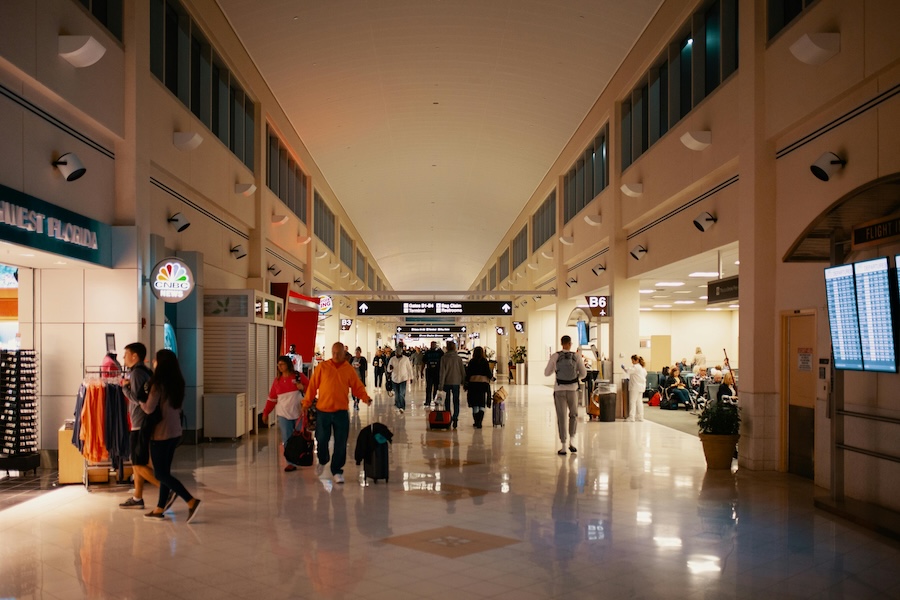
If you’re flying from a nearby airport, see if you can visit in advance.
Many airports offer family days or viewing decks. Walking through the terminal, watching planes take off, and hearing the sounds can desensitise anxious kids.
Even if you can’t get into the airport, you can visit your nearest airport and watch planes take off and land.
You can use our flight tracker to see the thousands of planes in the sky right now. Flight data shows that every single one of these planes will land safe and sound at its destination.
The purpose of this is to demystify the experience of flying. It’s not about curing anxiety (as that often comes through experience) but about preparing children for what’s about to happen. Information is power.
On the day of travel
Even with the best preparation, flight day can trigger strong emotions in children.
Flying is stressful. You’re going to be juggling bags, boarding passes and passports all while trying to get through security quickly enough to make your flight. It’s enough to spark anxiety in anyone. Here are a few things you can do to minimise anxiety in airports.
Arrive early, move slowly
Rushing is a stress trigger for you and your child. Build in extra time on the day of travel. Let your child move at their pace through check-in and security. Explain what’s happening at each stage and stay as relaxed as possible.
If your child has a diagnosed disability, you may be eligible for extra support at the airport. The UK’s Hidden Disabilities lanyard enables you to skip the queues at security and check in, making the whole experience much easier.
Give children a job to do
Feeling powerless can heighten fear for your child, so give them some responsibilities. This could include pulling a carry-on, scanning their boarding pass, or choosing snacks.
Doing so makes them part of the experience and helps them build confidence. They’re playing a part in the management of the trip. As well as strengthening resolve, it can stop them focusing or fixating on negative emotions.
Address anxiety calmly
If your child shows signs of distress (crying, clinging, refusing to board), don’t force or shame them. Stay close to them and use grounding techniques to reduce anxiety. Some things that can work include asking them to name five things they can see, encouraging deep breathing with you, and offering distractions, like music, stories, or a game
Let them know that their fears are legitimate and real.
Say: “You’re feeling nervous because this is new. That’s normal. I’m here, and we’ll get through it together.”
If you’re stable, calm, and confident, they will be, too.
During the flight
This is often the most intense part for fearful kids. It can also be the hardest stage for parents trying to manage them mid-air.
It’s important to recognise that your job isn’t to eliminate all fear. It’s to support your child through it with empathy and calm.
Tell the cabin crew
Cabin crew understand that some people are afraid of flying and will do their best to help you. If you can, speak to the cabin crew member and tell them your child is a nervous flyer. They are trained to offer support and reassurance before and during the flight. This can be a huge help to nervous children (and stressed-out parents!).
Talk through takeoff and landing
Takeoff and landing are new experiences that take some getting used to. Because of this, these moments can be the most disorienting. Prepare your child beforehand: “The engines will get loud, and we’ll go fast, like a rollercoaster. Then it’ll feel like we’re floating.”
If you understand the stages of flight, you’ll be better prepared to answer any questions. Don’t worry if you can’t, the cabin crew should be able to fill in any gaps.
During takeoff, hold their hand. Talk calmly over the engine noise. Say: “That sound means we’re lifting off. Everything is going just as it should.”
Keep them occupied
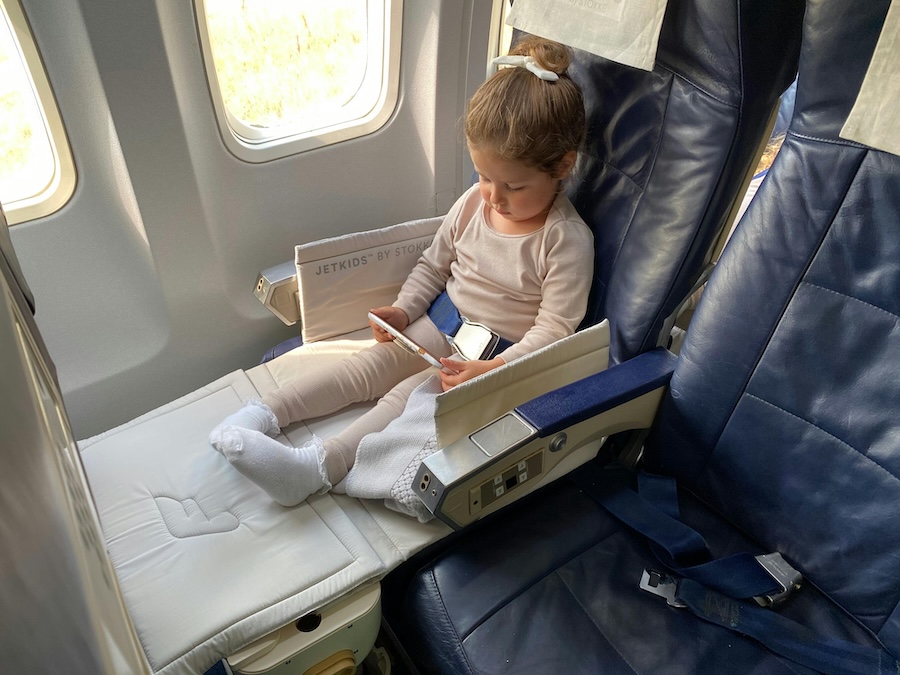
Distraction is a powerful tool. Bring books, games, puzzles, or a tablet with downloaded shows. Don’t rely on in-flight entertainment because it might not be available or suitable, especially on short-haul flights, regional airlines, and low-cost carriers.
For those with specific needs, noise-cancelling headphones can reduce sensory overload. Familiar comforts like a favourite toy, blanket, or hoodie that smells like home can reduce anxiety.
Manage physical sensations
Some children panic when they feel pressure changes in their ears. Chewing gum, sucking sweets (if age-appropriate), or drinking through a straw can help. Explain beforehand: “Your ears might feel funny, but that’s normal. Here’s how we fix it…”
Turbulence
Turbulence is a huge cause of fear in children and adults. We’re developing a specific turbulence guide for children, but the techniques that work for adults work for kids, too.
- Take off your shoes and lift your legs off the ground
- Do the breathing exercises
- Focus on grounding (5-4-3-2-1 exercise is a way to break free from the panic cycle)
The key with turbulence is to feel the bumps, don’t fear them.
After the flight
Whether your child managed to get through the journey calmly or with tears, the post-flight phase is an important opportunity. It’s when the experience becomes a memory and memories shape future reactions.
Celebrate the achievement
Say: “You did it! I’m proud of you.” Focus on how they coped, not whether they stayed perfectly calm.
You need to praise effort: “You were scared, but you kept going. That’s brave.”
Let them talk through their experiences, both good and bad. Ask what they liked, what was hard, and what surprised them. Listening helps them process the flight and prepares them for next time.
Build flying into your family identity
If you travel regularly, position flying as something your family does. It’s not something to fear, but something to manage, experience, and even enjoy together.
This repetition builds confidence, especially if each trip is slightly easier than the last. There will always be bumps (literal ones when it comes to turbulence), but each successful flight helps to build resilience, and that’s real.
What to do if fear persists
For some children, fear of flying doesn’t fade. If your child has panic attacks, refuses to board, or experiences ongoing distress about flying, it may be time to seek support from a qualified professional.
That might be necessary if:
- Your child’s fear interferes with daily life
- They have multiple travel-related phobias
- They catastrophise (“We’re going to die”)
- You’re unable to reassure them effectively
You can speak to your physician or GP, school counsellor, or a child psychologist.
Cognitive behavioural therapy (CBT) is highly effective in treating phobias in children and may be recommended in more severe cases. You’ll need to seek the support of a professional, but the results can be impressive.
Supporting yourself as a parent
It’s hard to support an anxious child when you’re also navigating the stress of travel. If you have your own flying fears, this can be especially tough. (Although, paradoxically, many parents find the distraction of dealing with a child with a fear of flying can actually increase their confidence.)
Children take emotional cues from their parents. If you’re visibly anxious, they’ll mirror it. It can be hard to swallow your emotions and appear strong, but it’s an important way to ensure your fears don’t become your child’s fears.
That doesn’t mean you have to fake calmness, but try to model coping strategies:
- “I feel nervous, so I’m taking deep breaths.”
- “I’m a bit anxious, but I know we’ll be okay.”
- “I need to be strong for my child.”
If you’re overwhelmed, speak to your partner, travel companion, or a member of the cabin crew.
Airlines are increasingly aware of travel anxiety and can offer support, especially if you let them know in advance. They can provide an extra shoulder to carry the burden.
Try to find the fun, not the fear when flying as a family
As a parent, your job isn’t to eliminate every fear. It’s about helping your child understand what to be fearful of. Flying can be uncomfortable and boring, but it’s a safe and essential part of travel. Learning how to fly with confidence can unlock opportunities, and that’s something no parent should stand in the way of.
The tools here are things you can use to deal with fear of flying. The best bit is that each successful flight is a step forward. Over time, fear can shrink, confidence can grow, and your child may even come to love the magic of flying.
For more reassurance, visit our Help Desk and download our Calm Flight Toolkit.
Please share this article with anyone who might benefit from it.
FAQs
children can become afraid of flying for many reasons, including life stresses, bad previous experiences, and high profile media coverage of crashes. Some children will be able to explain the cause of their fears whereas others may not. In any case, it’s important to recognise and respect what your child is feeling and not attempt to rationalise it away.
Children – like adults – can find ways to reduce stress, including breathing exercises, grounding and mindfulness. These techniques can be powerful at reducing anxiety before and during a flight. You’ll find lots of useful information on our Help Desk and in the Calm Flight Toolkit.
you should explain to your child that turbulence is unsettling, but not unsafe.Find ways to describe what turbulence is in terms they’ll understand (it’s like driving down a rocky path, etc.). The relaxation techniques above can help, too. For more information, read our child’s guide to turbulence.