
In brief
- A loss of cabin pressure is rare and can be detected immediately
- Oxygen masks are deployed to protect your body and brain while the aircraft descends to a safer height
- If this happens, the descent is deliberate and controlled by pilots
- While rare, cabin crew train and prepare for depressurisation event
- Throughout the descent, the aircraft remains safe and pilots are in control
Early detection of
A loss of cabin pressure is something that pilots will be alerted too and have procedures in place to deal with. The situation may seem scary to passengers, but it’s under control and the team on the flight deck will be doing everything they can to keep you safe.
If the pressure inside a plane cabin changes, pilots will be alerted immediately and plans can be put in place. While rare, pilots and cabin crew train and prepare for depressurisation events.
A pressure issue is a systems problem and it’s unlikely to be caused by structural damage to the plane. Such events are but there are processes in place to deal with it safely and calmly, which we explore in this article.

What “losing cabin pressure” really looks like
At cruising altitude, the air outside the aircraft doesn’t contain enough oxygen for the human body to function properly. Aircraft cabins are pressurised so that breathing feels similar to being on the ground.
Inside the cabin, fresh air flows in and out and is regulated by valves and computers that maintain a comfortable, safe balance. The system is constantly working and monitored and any change to pressure should be detected early, before it becomes a risk to passengers.
Most pressurisation issues are slow or moderate changes that are detected early. Sudden decompression is unlikely to happen, and even if it does, it doesn’t mean that the plane will break apart or fall from the sky.
As we’ve explained in detail, commercial aircraft are designed with large safety margins. The fuselage, windows, and doors are tested far beyond the pressure differences they ever experience in normal service.
What happens if my plane depressurises?
If cabin pressure drops below a set level, oxygen masks deploy automatically. They will automatically pop out, which can be a surprise! However, this is a built-in response that’s triggered by sensors.
If this happens, try not to worry. Masks dropping is a precaution, not a sign that something has gone wrong or that you are in immediate danger.
If this happens, you may notice a loud noise, a rush of air, or a sudden change in temperature and your ears may pop. These sensations are feel alarming, but they are the effects of pressure equalising and airflow changes, not signs of danger.
The masks are there to protect you from hypoxia (a lack of oxygen reaching the brain).
Hypoxia is subtle and you may not feel breathless before your thinking becomes impaired. The masks are designed to provide oxygen for the short period needed to descend, not for the rest of the flight.
What happens in the cockpit if cabin pressure drops?
When the masks deploy in the cabin, pilots will be responding calmly and confidently to multiple alerts. This is something that pilots plan for, and are prepared to deal with.
Firstly, pilots will put on their own oxygen masks. Then, they may decide to put the aircraft into a guided and controlled descent to a lower altitude where passengers can naturally breathe the air.
It’s unlikely you’ll immediately hear from the pilots, but there won’t be any panic.
This type of descent is planned and stable. While it may feel a sharp drop, it’s well within the aircraft’s capabilities and safety margins.
If this happens, air traffic control will clear surrounding traffic and the aircraft is prioritised automatically.
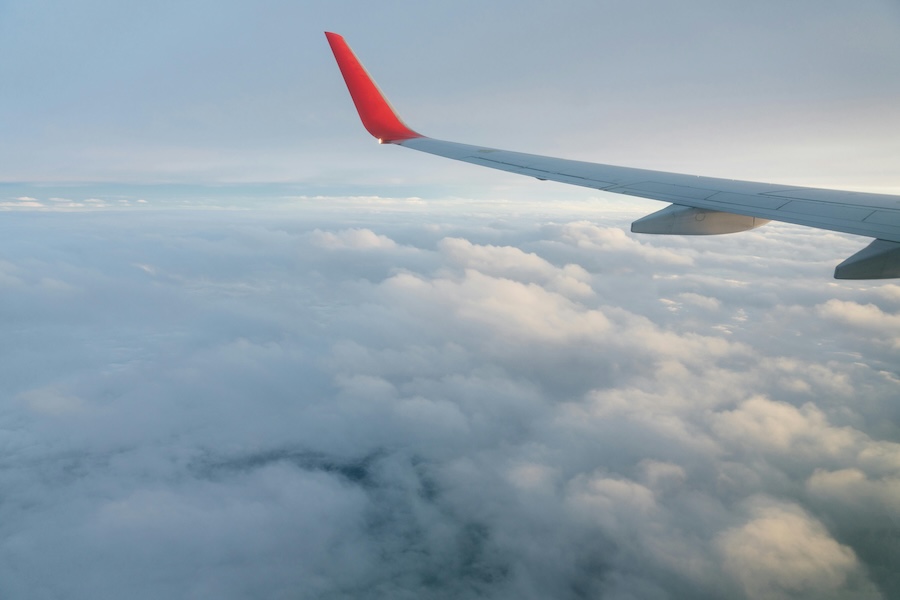
What happens after a controlled descent?
Once the plane has descended to a safe altitude it will level off.
At this point, the pilot and flight crew will asses the cause of the pressure loss and decide on what to do.
It’s likely that the aircraft will divert to an appropriate airport. As this point, the captain or co-pilot may make an announcement and let you know what’s happening. However, their first duty is to keep you safe and this may require them to focus on what they’re doing.
When the plane is level, most passengers feel a release of anxiety.
Dealing with the fear of depressurisation
Depressurisation is a common fear among anxious flyers that’s often stoked by a misunderstanding of what’s happened and a mis-representation in films and the media.
It’s natural that masks dropping from the ceiling of a plane will cause some anxiety (even in experienced and confident flyers), but hopefully, by understanding what’s happening you can provide some reassurance.
You need to have the confidence and understanding that if a cabin depressurisation event happens, there’s a process in place and pilots will do everything to keep you safe while and land the plane.
Please share this article with anyone who might benefit from it.
FAQs
No. As you’d expect, aircraft are engineered to prevent this from happening. Structural failures of that kind are extraordinarily rare. Even in decompression events (when the cabin loses pressure), the aircraft remains controllable by the pilots.
You need to put the mask on straight away because low oxygen can affect judgment before you realise anything is wrong. The mask keeps your body safe and your mind clear while the aircraft descends.
Some oxygen systems don’t visibly inflate and oxygen can still be flowing even if the mask looks flat. In the rare event the masks are released, follow instructions from the cabin crew or the pilots on the flight deck.