
In brief
- What you eat and drink can have an impact on physical and mental wellbeing
- Science has established clear links between the gut and the brain, with some foods and drinks more likely to spike anxiety
- Avoid caffeine, alcohol, processed foods and sugar and instead aim to eat and drink healthily for the best results
Links between diet, stress and anxiety
Diet and hydration can have a huge impact on stress levels and anxiety. Eating and drinking the right thing at the right time can make flying more manageable.
While breathing techniques, therapy, and education about aviation safety are great ways to manage pre-flight and in-flight anxiety, it’s vital you take care of your physical health too. What you eat and drink before and during a flight are important at managing anxiety.
In this article, we explore how diet and hydration influence flight anxiety. You’ll learn about why the choices you make of what to eat and drink on the ground can shape your experiences in the air.

The link between your gut, body, and brain
Anxiety was previously considered to be a purely psychological issue, but we now know that the brain and body are deeply interconnected. Specifically, we’re talking about the gut–brain axis.
The gut-brain axis describes the communication network between your digestive system and central nervous system.
Let’s look at the science. When you eat, your gut produces neurotransmitters such as serotonin, dopamine, and gamma-aminobutyric acid (GABA). These neurotransmitters play a major role regulating your mood.
Here’s some proof. Roughly 90% of the body’s serotonin is created in the gut. The gut-brain axis shows that the food and drink you consume can directly affect how calm or anxious you feel.
How flying affects your body
To understand how what you eat and drink impacts anxiety while flying, we need to explore what happens to us physically when we fly.
Aircraft cabins are pressurised to help you breathe, but they’re not pressurised at ground level. In fact, plane cabins are at the same pressure as standing on a mountain between 6,000–8,000 feet above sea level.
That’s pretty high up!
If you’ve ever stood on top of a mountain, you’ll know the feeling. At this pressure, there’s less oxygen in your blood and lower humidity. The pressure can also affect how your body processes food and drink.
Some of the impacts of this pressure include feelings of dehydration and sluggish digestion. Some people may experience mild hypoxia (low levels of oxygen in your blood) which can have its own symptoms.
We’re not trying to scare you and the reality is that, for most people, these effects are mild. However, if you’re already tense then your body’s stress response can amplify them.
The physical impact of flying at pressure can make some people feel panicky. It’s why what you eat and drink is so important.
We’re going to show you how certain foods and drinks can impact your body and mind – and how better (and often healthier) choices could reduce feelings of anxiety.
The role of blood sugar in flight anxiety
Our blood glucose levels are closely linked to mood and energy.
For example, when we eat sugary foods or refined carbohydrates (like sweets, pastries, or white bread), blood sugar rises quickly. Our bodies respond by releasing insulin to bring levels back down.
Sometimes this can happen too quickly, leading us to feel physical symptoms like feeling shaky, lightheaded or irritable.
These symptoms can mimic those we experience during anxiety. They can also worsen it.
Try this instead:
Airports are full of fast-food restaurants, cafes and kiosks where you can pick-up a sweet treat or carb-dense snack. To keep anxiety at bay, aim for slow-release carbohydrates and balanced meals.
Things like oats, wholegrains, nuts, and protein-rich foods help stabilise blood sugar. This can help to keep your energy levels consistent.
If you’re worried about being tempted, then packing a few items and carrying them with you is a great idea. You’ll also save money, too.
Caffeine and flight anxiety
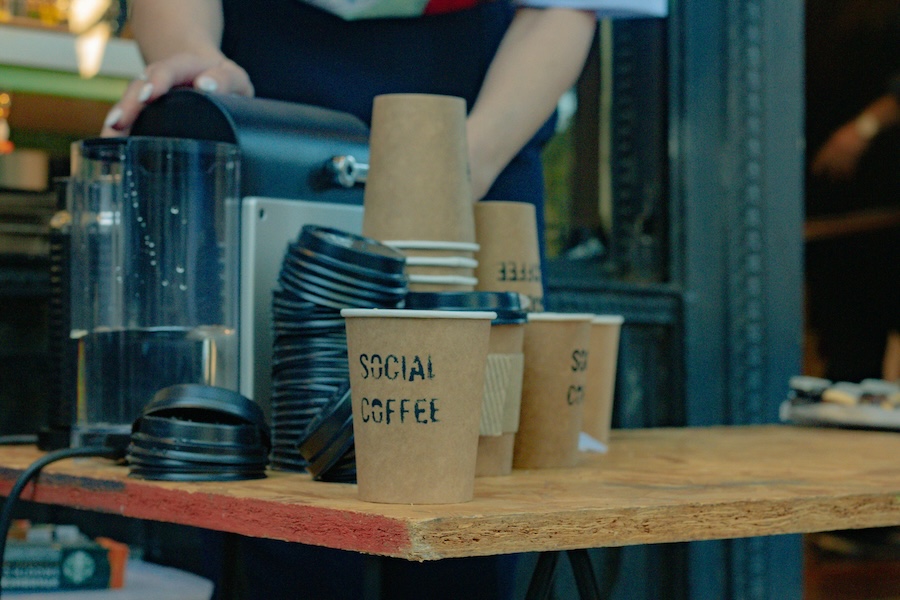
Most airports are full of cafes, but caffeine is a common trigger for anxiety.
Lower oxygen levels in an airplane during cruise can make the effects of caffeine feel stronger. A pick-me-up on the ground can mean stronger symptoms in the air, including faster heart rate, jitteriness, and increased breathing.
These are all symptoms similar to panic.
When you’re nervous, your body is already producing more adrenaline than usual. If you add caffeine to that, you could fall into a stress response.
Try this instead:
We’re not suggesting you stop drinking coffee. If you relish (or rely) on caffeine, why not switch to a half-strength coffee or tea on the day you fly?
You can also trial replacing your daily coffee with a caffeine-free herbal tea or simply sip water. These can all help to reduce anxiety.
Alcohol and flight anxiety
Many people reach for alcohol as a way to calm nerves before a flight, but alcohol provides short-term confidence that can quickly ebb away while you’re in the air.
At altitude, alcohol has a stronger impact because your blood oxygen levels are lower. Even one drink can cause dehydration or negatively impact your mood.
The immediate impact of alcohol (an increase in confidence and reducing stress) can wear off quickly, leaving you to experience increased tension, irritability, and unease as it does.
This rebound effect can be particularly for those people who experience anxiety.
Try this instead:
Skip the pre-flint glass of beer or wine and focus on hydration instead. Drinking plenty of water or electrolyte drinks can help you feel calmer and more in control while you’re in the air.
You’ll then know it was you who had the confidence to board the plane and fly, free from any stimulants.
How hydration can help anxiety
Flying can quickly dehydrate you, which causes real physiological effects, including tiredness (fatigue), headaches, and faster heart rate.
These are all things that can trigger anxiety.
Being just 1–2% dehydrated can impair mood and concentration. If you’re already feeling stressed or experiencing anxiety, this can have a big impact.

Hydration strategy:
Airports are full of concessions, cafes, and shops that will happily sell you sweet, sugary and alcoholic drinks that can dehydrate you. But don’t give in! You can develop a hydration strategy to keep you topped up:
- Start before you board: Drink water throughout the day leading up to your flight.
- Avoid salty snacks: They increase dehydration.
- Choose water over fizzy drinks or alcohol: Both can contribute to bloating and fluid loss.
- Bring your own bottle: Most airports have refill stations past security, making it easier to keep hydrated without relying on trolley service.
Staying hydrated can help to regulate your heart rate and stabilise your mood. Drinking water regularly can also help to support clear thinking, something that’s vital if you want to maintain your calmness.
When to eat before a flight
We’ve talked a lot about what to eat (and what to avoid); but when you eat can also have an impact on how you feel. Eating a large meal right before takeoff can make you feel sluggish or bloated.
However, flying on an empty stomach can cause low blood sugar and dizziness. These can heighten feelings of anxiety.
Ideally, you should aim to have a balanced meal two to three hours before flying. You’ll want to eat a mixture of healthy protein, complex carbs, and fats.
If you’re flying in the morning, porridge with fruit and nuts would be perfect. A grilled chicken and quinoa salad would be a lovely pre-flight lunch for afternoon departures. Evening flyers might want a light pasta or brown rice dish for energy and nourishment.
During the flight, you should aim to eat light snacks. Things like fruit, nuts, or granola bars are much better fuel for calm flying than fatty fast-foods, carb-heavy meals or sugary treats.
A calm mind starts with a calm body
Eating well and drinking regularly can help put you in the best frame of mind to fly. Diet and hydration aren’t going to stop flight anxiety, but they’re powerful at helping you to manage stress more effectively.
We recommend you ignore the coffee shop, trot past the fatty take away and skip the pre-flight glass of wine. Instead, enjoy a healthy pre-flight meal, and pack some water and healthy snacks. Your body, mind and wallet will thank you.
Please share this article with anyone who might benefit from it.
FAQs
There’s evidence that what we eat and drink can impact our physical and mental help. It’s caused by the gut-brain axis.
You’re an adult and if you want to enjoy a drink, then it’s your choice. However there is evidence that alcohol can affect people, causing an increase in anxiety. This can be worse at altitude where the air in the cabin is pressurised.
Pre-flight nerves are normal. Instead of eating sugary treats ,fatty foods and processed items (that are mostly sold at airports) eat a healthy meal before you fly and pack some nutritious snacks. Aim to eat fruits, vegetables and complex carbohydrates that can help to stabilise blood sugar levels.