- Bird strikes are rare, but they are a potential aviation hazard and could damage the airplane screen and structure, as well as the engines
- The aviation industry invests heavily in preventing bird strikes and all essential structures and components are designed to withstand a direct bird strike
- Even if a bird causes one engine to fail, the plane can fly on a single engine and accidents caused by bird strikes are rare
Why you don’t need to worry about a bird hitting your plane
A single bird – or even worse, a flock of birds – striking a plane and its engines could cause huge damage, but thankfully, this is incredibly rare. Each year, there are thousands of reported bird strikes, but rarely do they significantly damage planes or cause accidents.
According to the experts at Bird-X, bird strikes are increasing, but that may in part be due to the increasing number of domestic and international flights.
While theoretically a bird strike could be dangerous, plane structures, and screens are built to withstand them. Engines, too, are designed and tested to withstand direct bird strikes. Pilots receive regular training on how to deal with bird strikes and their potential impacts.
Behind the scenes, there’s a huge operation to ensure that airports and runways are clear of birds so planes can take off and land safely. Here’s why you shouldn’t be worried about bird strikes.

How common are bird strikes?
A bird strike occurs when a signal bird or flock hits a plane. This could involve the bird striking the nose, screen, wings or other body part. Birds can sometimes become sucked into the engines.
Across the world there are over 35 million flights per year, official figures show. Bird strikes occur in around 20,000 flights. That means you’ve got a 1 in 1,750 chance of your plane being hit by a bird.
A bird strike should always be reported. In the UK, for example, the Civil Aviation Authority classifies wildlife strikes in three ways:
- Confirmed: There’s clear evidence of a strike, including damage to the aircraft and a carcass.
- Unconfirmed strike: A report of a collision with an animal has been made, but there’s no clear evidence.
- Significant event / near miss: When the presence of wildlife (birds in most cases) has an effect on the flight, but there’s no evidence of a direct strike.
Similar systems exist across the world to ensure that any potential impact to an aircraft is investigated to ensure it remains airworthy.
In many cases, pilots won’t be aware the plane has been hit but will see evidence (damage, blood or debris) during the walk around on the ground, says trusty Reddit expert RealGentleman80.
How do airports prevent bird strikes?
Bird strikes are a problem at take-off and landing which is why airports use a variety of ingenious methods to scare away birds.
Many airports use pyrotechnics, including bangers, screamers and whistles to frighten away birds. Others use bird distress signals or lasers to deter them.
Airport operators also manage the vegetation in and around the airport, ensuring it’s not attractive to birds. Some airports can employ trained birds of prey to get rid of birds.
As well as preventing accidents, airport operators are protecting birds. Nobody wants to see wildlife hurt or killed so humane methods are used.
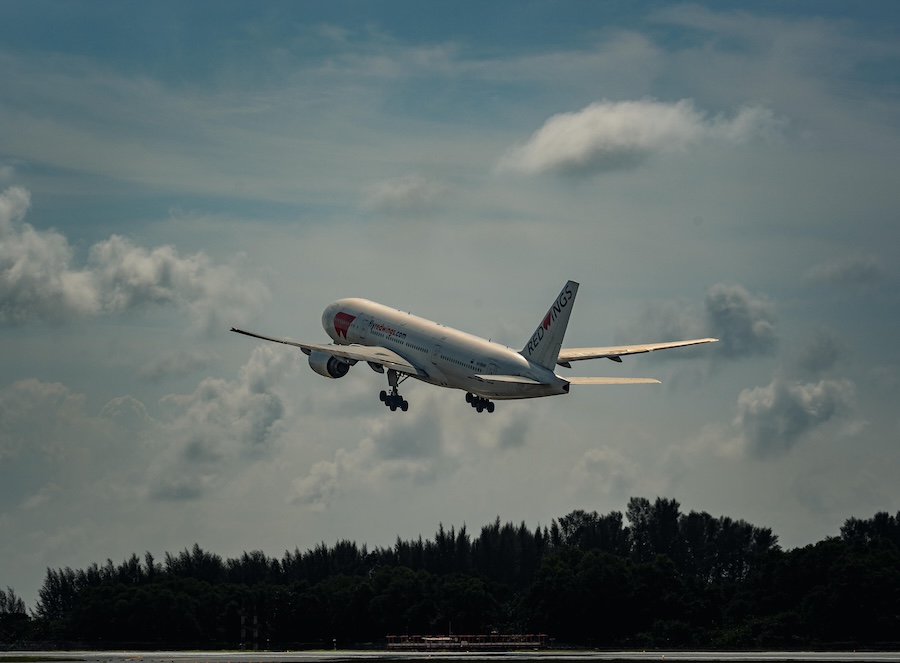
Can a plane survive a bird strike?
Yes! Bird strikes are an understood and expected part of flight. While statistically rare (see above) they do happen, but you rarely hear about them because the plane lands safely and all the passengers go about their lives as normal.
If you’ve seen Sully, the dramatic reconstruction of the “Miracle on the Hudson” you’ll have seen how Captain Sullenberger and First Officer, Jeff Skiles dealt with a major bird strike that took out two engines.
The film is incredible but it’s not representative of bird strikes in general. In fact, the unique nature of the event is the reason it was made into a film.
To put it another way, a bird strike is likely to cause a fatal accident in one in a billion flight hours.
The thought of a plane crashing is a major cause of anxiety. For some, new stories about plane crashes – or even watching a film like Sully – can trigger anxiety. What you’re feeling is a learned response – and that can be unlearned.
Should I be worried about my plane being hit by birds?
No, you shouldn’t be worried about a plane hitting your plane. Flying is incredibly safe, bird strikes are rare and, when they do occur, planes can safely manage them. Bird strikes to engines are emergencies, but your pilot is trained to deal with them.
Birds are erratic and uncontrollable but almost every aspect of commercial flight is tightly planned, managed, and controlled.
Instead of worrying about rare events and catastrophic outcomes, understand the science of flight and the incredible safety record of modern commercial aircraft.
If you find your pulse rate increasing when you think about bird strikes, you can develop techniques to tackle them. Breathing exercises, grounding and mindfulness can all help. As well as guides here, you can download our Calm Flight Toolkit.
Please share this article with anyone who might benefit from it.
FAQs
Yes, the stats show you’ve got a 1-in-1,750 chance of your flight being hit by a bird. Even if that happens, you’re overwhelmingly likely to be safe, with evidence showing that a bird strike is likely to cause a fatal accident in one in a billion flight hours.
Theoretically, a bird strike could lead to an accident but the possibility is very low. Aircraft and engines are designed for direct bird strikes and pilots train for such eventualities. In many cases, you wouldn’t even notice if your plane was hit by a bird.
Anxious flyers can often catastrophise, imagining awful situations like plane crashes. This may be triggered by a previous experience, reading a dramatic media story or watching a film. The fear isn’t rational, but it is real.