In brief
- Dimming the lights helps you to see better outside if there’s an emergency
- While flying is super-safe, take-off and landing are the riskiest parts of flight, so a lot of attention is spent on making things as safe as possible
- Lower lights mean less glaze inside the cabin, meaning flight crew can see what’s happening clearly
It’s all about adjusting your eyesight
Cabin lights being dimmed for takeoff and landing is a small precaution that’s there to keep you safe during what are, statistically speaking, the riskiest parts of every flight.
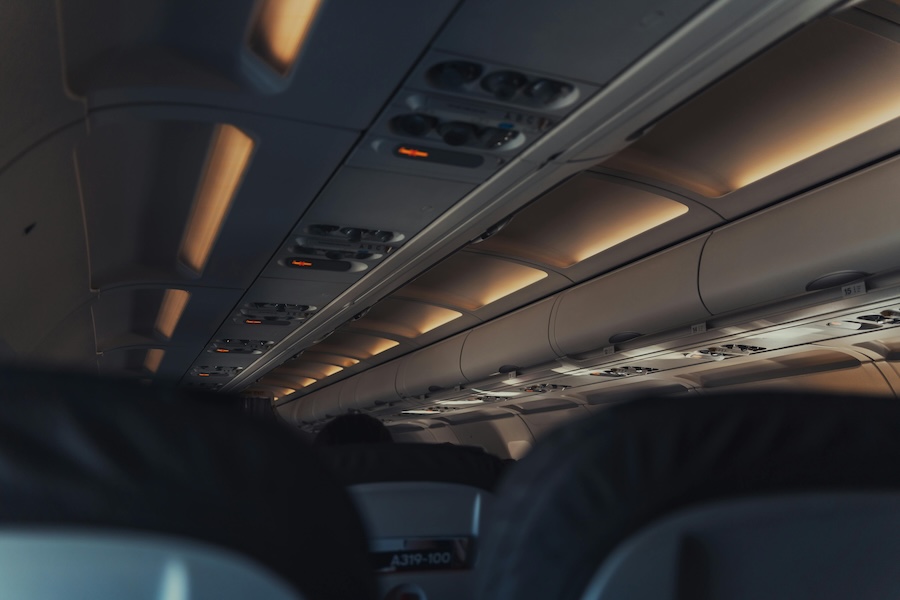
Dimming the lights inside a plane enables passengers and crew to adjust to lower light. If there’s an emergency and an evacuation is needed, the lower lights mean passengers can see what’s happening in the cabin and see any lights and exit signs.
Some passengers worry about what’s happening when the lights go down, but it’s just about visibility – not vulnerability. We’re going to explain why cabin light are dimmed and why it’s nothing to be concerned about.
Why take-off and landing get special treatment
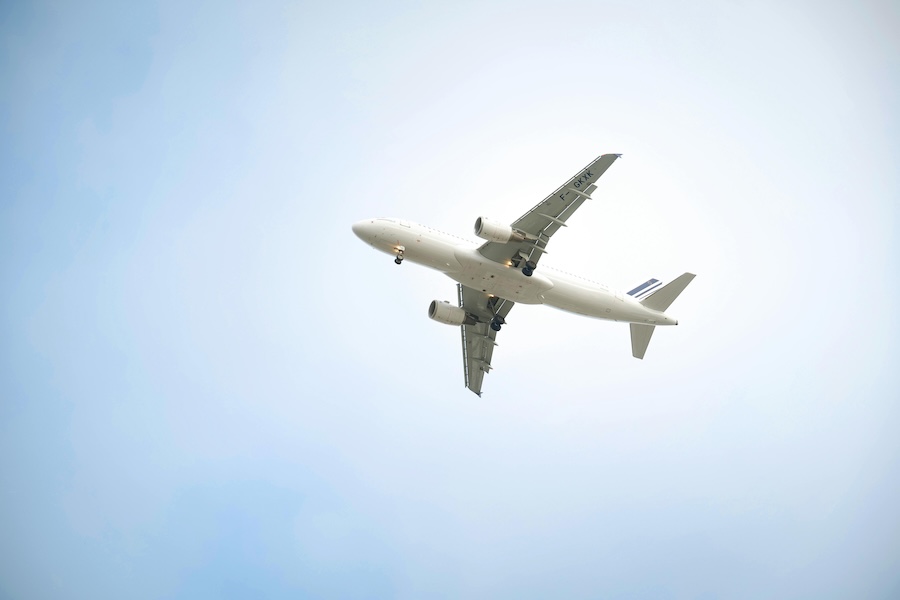
Take-off and landing are the moments when the aircraft is closest to the ground. This means they’re the riskiest parts.
That doesn’t mean they’re dangerous. Statistically speaking, flying is the safest form of travel. It’s so safe precisely because airlines and operators don’t take chances. Dimming the cabin lights is one such example of this.
Takeoff and landing are carefully choreographed. You’ll be told to put your tray tables up, seats upright, window shades open, and lights dimmed.
Each of these things plays a part in keeping you safe. Upright seats and clear aisles enable people to move through the cabin quickly. Windows open provide light into the cabin, enabling crew and passengers to see what’s happening outside. The lights dimmed can help our eyes adjust to low-light environments..
How dimmed lights could help in a real emergency
In an emergency, every second matters. In low light environments can take several seconds for our eyesight to adjust. In the rare event of an accident, this literally could be the difference between life and death.
You can try this yourself by switching off a light and plunging a room into darkness. Initially, everything is black. In a few seconds, your eyes adjust, giving you a clearer picture of what’s happening.
When the lights are dimmed, your eyes are adjusting to the natural light. If there was an emergency, you could act straight away.
There are other benefits to dimming cabin lights, including lights inside the plane guiding you to safety are easier to see. Any potential obstacles are easier to spot and passengers can be quicker to react to things like smoke.
Again, the chances of anything like this happening is incredibly rare, but airlines don’t take chances.
Do dimmed cabin lights mean there’s a problem with the plane?
Not at all. Dimmed lights are a safety issue, not a sign that there’s a problem with the plane.
Pilots don’t have a choice about dimming the cabin lights. It’s standard operating procedure that’s built into airline policy and international safety guidance.
You can prepare for the cabin lights to be dimmed, as they will on every flight. When it happens you can assure yourself that the flight is progressing safely and smoothly.
Why am I worried about the cabin light being dimmed?
If you’re anxious about flying, your brain can go into a heightened state where it’s looking for threats. Things like the cabin lights being dimmed can act as a trigger for anxiety. It’s not rational, but it is real.
By understanding why cabin lights are dimmed, when the light switch goes out, you’ll be able to sit back and relax, knowing it’s a safe and normal part of every flight.
If you need a little extra reassurance and confidence, download our Calm Flight Toolkit and visit the Help Desk.
FAQs
No. Cabin lights being dimmed at takeoff and landing is only about safety. As we’ve explained above, it’s about ensuring your eyes are adjusted to the natural light, making you faster to respond in an emergency. Any power saving is minimal.
Having the shades open provides natural light into the plane. It also means cabin crew and passengers can look outside and identify any potential hazards. In an emergency, these seconds could be vital.
We can’t guarantee that every flight will dim the lights, but it’s standard operating procedure.
You’ll find that the brightness level and timing differ across different airlines and planes. Whenever it happens and whatever the light situation, the pilots and crew are doing what they need to do to keep you safe.