In brief
- It’s common to panic before a flight, but the reality is unlikely to be as bad as you imagine it
- If you’re anxious the night before a flight, eat healthily, avoid drinking alcohol and prioritise your wellbeing
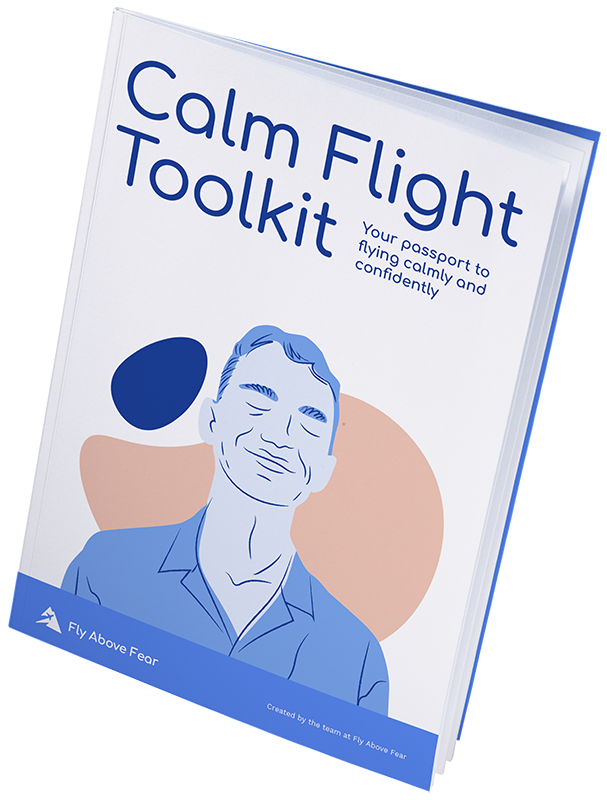
- Download the Calm Flight Toolkit and check out our Help Desk for essential information and advice on staying relaxed before and during your flight
Always remember, anxiety is only temporary
The fear of flying before the event is known as anticipatory anxiety and it’s incredibly common. Instead of dealing with what’s actually happening, you become anxious about what could happen. It’s well understood by psychologists, with anticipatory anxiety often worse than the genuine experience.
The night before your flight is a time for calmness and relaxation. It’s about preparing yourself mentally and physically for the flight as best you can. It’s also about treating your body and mind kindly and avoiding anything that can increase stress and anxiety.
If you’re flying tomorrow and worried about it, here are some of the things you can do to stay calm and increase confidence.

What to do the night before your flight
Stress reduction is about planning and preparation to give you the confidence you need. You can’t control everything, but it’s important to do everything you can to put yourself in the best physical and mental shape to fly.
Here are some tips to help you reduce anxiety the night before you fly:
- Pack intelligently: Packing is something nervous flyers often leave to the last minute. We recommend you pack confidently, ensuring you have everything prepared and ready for the day – including all tickets, passes, passports, transfers and more. This can reduce travel anxiety, something many fearful flyers also have to deal with.
- Eat healthily: Eating healthily (and avoiding high-fat processed foods) can help you feel better physically and mentally. It’s all because of the gut-brain axis. While high-fat, high-sugar foods may provide an immediate boost, it’s often short-lived and followed by a crash. Prioritise healthy foods and ensure you get enough protein.
- Prioritise good sleep: You might be stressed, but do everything you can to get a good night’s sleep. Turning off your phone, exercising and eating healthy can all help you prepare for a great sleep.
- Practice positive thinking: There’s evidence to suggest that thinking positively can reduce anxiety. Using self-affirmations can reduce stress, for example.
- Understand the power of acceptance: Acceptance is a powerful strategy. When you accept you’re flying and acknowledge your anxiety, but do it anyway you’re demonstrating incredible confidence. You can learn more about the theory behind acceptance and how it can help you reduce anxiety in our guide.
- Reinforce calm with breathing, mindfulness and grounding: We often wait too until anxiety strikes to use breathing, mindfulness and grounding techniques – but they can be hugely valuable in restoring calm the night before a flight. By practicising these techniques on the ground you’re not only reducing anxiety in the moment, you’re proving to yourself that they work – which can provide confidence. Try our breathing, mindfulness and grounding techniques the night before you fly.
- Pack your Calm Flight Toolkit: We created the Calm Flight Toolkit for anxious flyers like you who need a boost. Don’t wait until you’re on the plane. You can download it and read it the night before your flight to prepare yourself.

What not do the night before your flight
If you’ve followed the advice above, you’re likely to put yourself in a calm and confident place before you fly.
Here are some of the things you should avoid doing before you fly:
- Avoid checking forecasts: It can be tempting to check weather forecasts, turbulence forecasts, jet stream checkers or even metrological data in an attempt to control what will happen. We’ve explored why this is a bad idea in detail. In the end, continually checking forecasts won’t change what happens and won’t provide you with any reassurance. It’s much better to accept you’ll fly and deal with anything that happens when it happens.
- No digital doom-scrolling: It’s easy to become sucked into the digital world when we’re stressed, but it can be deeply damaging to our mental health – and can make it much more difficult to sleep. Protect your mental health and prioritise good sleep by cutting down screen time leaving your phone out of the bedroom.
- Cut down on alcohol and caffeine: Both caffeine and alcohol are powerful stimulants that can have a lasting physical and mental impact. The boost you receive is short-lived but, in the case of alcohol, anxiety symptoms can last a lot longer.
- Don’t try to suppress stress: Distraction is powerful but consciously ignoring the fact you’ll be flying can be psychologically tough. While recent evidence has challenged the view that suppression is bad this was only tested on fictitious imagined scenarios. When you know you’re flying, avoidance can store up stress. Instead, accepting anxiety is part of the flight experience can be liberating.
Your flight is the start of the adventure
For some of us, the night before we fly is the worst time. On the day of the fight, we’re often caught up managing the process of getting to the airport, checking in and taking our seats. In many cases, the flight isn’t ever as bad as we imagined it.
The key to reducing stress on the night before your flight is to recognise anxiety is part of flying for you and actively working to reduce it.
The tips here can help you but it’s up to you. From the team at Fly Above Fear, have a great flight.
Please share this with anyone who might benefit from it.
FAQs
While an alcoholic drink might “take the edge off”, it can actually increase feelings of anxiety. It can also severely disrupt your sleep quality. Caffeine, too, is a powerful stimulant that can raise your heart rate and make you feel panicky. Evidence suggests that it’s best to avoid both alcohol and caffeine the night before you fly.
Putting things off and packing at the last minute can fuel anxiety. By laying everything out and packing methodically, you’ll not only ensure you have the essentials like your passport and tickets, but you’ll also give your mind a chance to focus on a task. This can be very grounding.
Acceptance is a powerful tool. By admitting to yourself that you’re feeling anxious, you remove the extra pressure of trying to hide those feelings. Try to remind yourself that this anxiety is just a temporary physical reaction and it’s not a sign of danger.