
In brief
- People afraid of flying often seek to control the situation, but an urgent work trip or emergency means you may need to fly without preparation
- In these situations, you’ll need to find ways to rapidly adapt and stay calm and confident
- You may find a lack of preparation reduces anticipatory anxiety and the fact you have to fly may mean you’re less anxious
- Breathing exercises and mindfulness techniques in our Calm Flight Toolkit can help you
Why it can be easier to fly when you have to
Anticipatory anxiety is a huge problem for anxious flyers who want to retain control of the situation. If you have to fly for work, a family emergency, or other purpose you should develop some strategies that can help you to keep calm.
In some cases, it can be easier to fly when you need to. Instead of spending days and weeks worrying, you have no choice but to fly and accept the situation. There’s evidence that accepting anxiety can be effective at reducing its power.
If you’ve got a flight coming up, here are some useful tips and resources that can help you prepare mentally and physically.
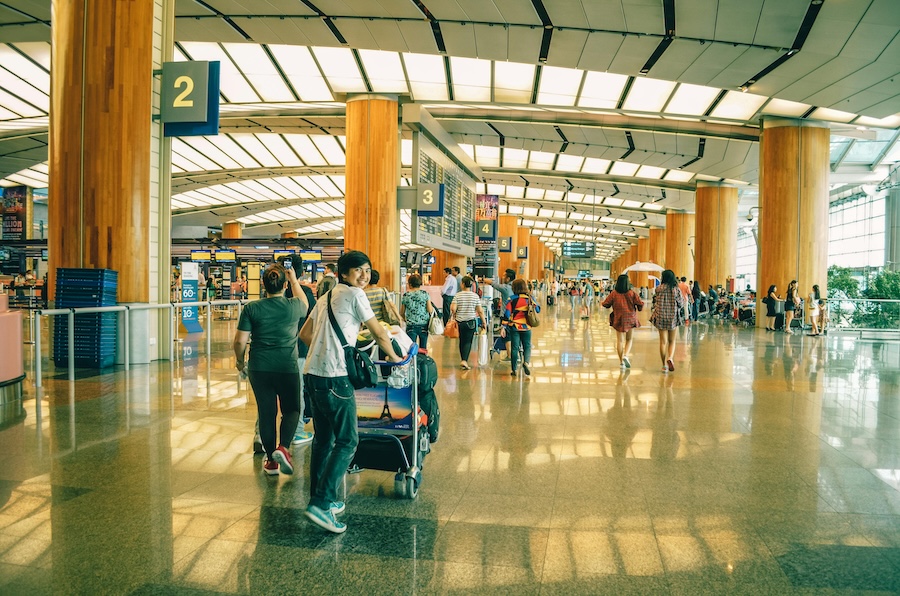
How you can prepare mentally and physically for a flight
It’s OK to be a bit nervous about flying, but if you feel it’s getting too much there are some things that you can do. Here are some ways you can prepare mentally and physically for an urgent or unavoidable flight.
Select a seat
Choosing a seat can have several benefits. Sitting in, or near, the centre of the plane is less turbulent.
If your plane experiences turbulence it’s minimised when you’re near the wings, because sat at the centre of the plane’s gravity.
As well as reducing turbulence, selecting a seat means you’re also exerting control. You’re able to make a choice, and that matters.
Pack a flight kit
You can prepare a flight kit full of essentials that you might need. Packing a bag not only prepares you physically, you’re mentally accepting that you’re going to fly.
We’ve created a short guide with instructions on everything you need to be confident and calm.
Check out our guide on what to pack in our flight kit.
Learn about what to expect
Information is power, especially when it comes to fear of flying. We’ve created a series of guides to help you understand what you can expect at every stage of your flight.
Learn more about:
- What to expect at takeoff
- What to expect during landing
- What happens during turbulence
- Why plane noises aren’t a sign of danger
You can also read about how planes fly and some of the incredible stats around aviation safety. Knowing what’s happening and why can help restore some calm.
Use distraction techniques
At Fly Above Fear, we want you to be able to understand your fears and confront them, but sometimes you simply need to get through the experience – and distractions can help.
Packing a book, listening to a podcast, or watching a film can all help divert your attention from being in the air.

Eat and drink healthily
What you eat and drink can have an impact on your physical and mental wellbeing. Avoid unhealthy airport eateries, minimise caffeine and avoid alcohol if you want to keep anxiety at bay.
Instead, plan out your meals and make healthier choices.
Learn some helpful coping techniques
If you know you’re entering a situation where you’ll experience anxiety (like flying) you can prepare your body and mind. Breathing exercises, mindfulness techniques, and grounding strategies can help you to control stress.
You can also download our free Calm Flight Toolkit.
Get the confidence to fly
Being forced to fly (or at least, feeling that way) can actually help you to confront your fear of flying. Instead of being able to avoid a flight, you have no choice and control – which means you need to develop plans to tackle it.
The tools, tips and techniques here can help you to fly with more calm. If you feel like you need additional support, you can speak to a qualified professional who may offer personalised advice and strategies.
You can find more information and advice on our Help Desk, Fear of Flying guides and in our Calm Flight Toolkit.
Please share this article with anyone who might benefit from it.
Frequently asked questions
People afraid of flying often look for ways to escape, familiarly known as the fight or flight response. If you know that you have to fly, then you can begin on the path to acceptance – and that’s important. Instead of finding ways to control or escape the situation, you’re psychologically accepting it – and that’s hugely empowering. Flying when you have to is the first step to confronting your fears.
Choosing a seat near or over the wings (as close to the centre of the plane), can help minimise the feeling of turbulence. While it won’t eliminate turbulence, it can reduce its impact. Of course, turbulence is a natural part of flying and nothing to be afraid of.
There’s a clear and established relationship between what you eat and drink and the anxiety you feel. If you can, prepare, plan out your meals and make the healthiest choices. Try to avoid high-fat, high-sugar processed foods and instead prioritise fresh fruit and vegetables. Caffeine and alcohol can both worsen anxiety, so avoid those too if you can. (Although don’t miss out on your morning coffee if you need it!)
