In brief
- Turbulence alone is extremely unlikely to cause a plane to crash
- Aircraft are designed and tested to handle forces well beyond real-world turbulence
- The primary risk from turbulence is injury inside the cabin, not structural failure
- Pilots actively avoid severe turbulence and are trained to manage it when encountered
TLDR: Turbulence alone won’t cause your plane to crash
Turbulence alone is unlikely to cause a plane to crash. Severe turbulence can lead to a plane becoming momentarily out of control, but in almost all cases, pilots quickly restore control and can fly the plane to safety.
We know turbulence is a trigger and can lead to catastrophic thinking. To an anxious brain turbulence feels like something is wrong – but that doesn’t mean that something is wrong.
What’s happening is that your brain is interpreting the natural motion of the plane moving up and down – in many cases only by a few centimetres or inches – as something dangerous.
Turbulence may be unsettling and uncomfortable, but it’s not unsafe. If you want to know more, then read on to learn why turbulence on its own can’t crash a commercial airliner.
What turbulence is
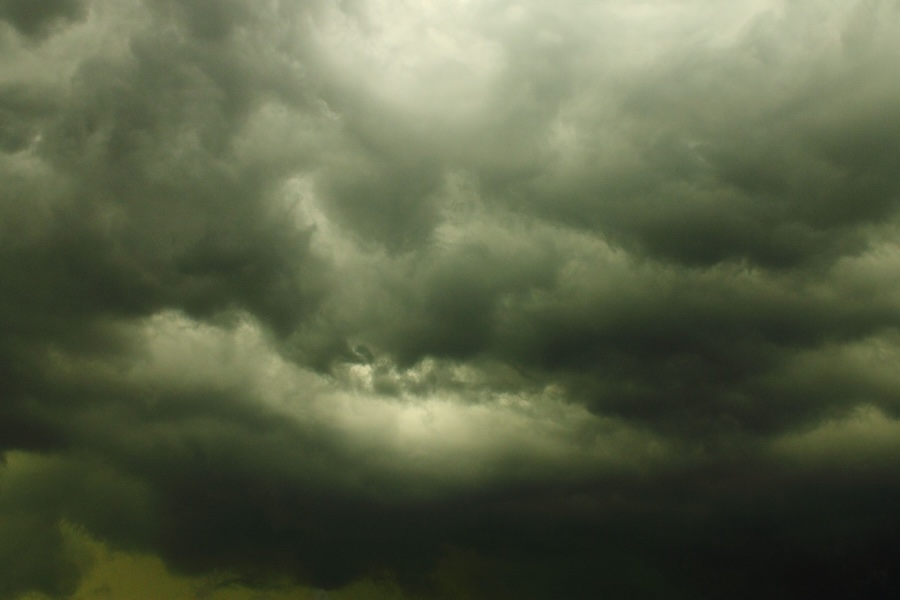
Turbulence, at its most basic, occurs when a plane flies through disrupted air. (We won’t explain too much. You can learn more about the causes of turbulence and turbulence levels in our specific articles.)
Aircraft can’t avoid this movement. Turbulence is, like all weather, dynamic and unpredictable. Although forecasting is getting better, it’s impossible to avoid all turbulence.
Turbulence is an accepted and normal part of flight and planes are designed and built to safely manage it.
During strong bouts of turbulence, it may feel like the plane is moving erratically. You may worry that the pilots can’t cope or are panicking, but in the flight deck, they’re calmly flying through it.
In all but the worst turbulence, the plane remains in control at all times and continues to fly onward to its destination.
How can pilots cope? It’s because they don’t interpret turbulence as a threat .
The sensation of turbulence is unique and unless you’re flying a lot, is rare. Most flights won’t encounter significant turbulence. If you did, you’d become accustomed to it.
Why turbulence doesn’t cause crashes
Because turbulence is expected and understood, planes are designed to safely fly through it. That includes turbulence even at severe levels.
For turbulence to cause a crash, it would need to push the aircraft beyond its structural or aerodynamic limits. While theoretically not impossible, it’s highly unlikely.
This is because behind every flight are layers of safety processes that work to avoid that happening. When they encounter turbulence, pilots will do what they can to avoid it, which can include changing altitude or, if necessary, slightly adjusting the course.
On the ground and in the air (through PIREPs) pilots can see weather systems and plan accordingly. While this can’t entirely eliminate turbulence, the system is working to reduce it as far as possible.
If your plane does experience turbulence, there are strict speed limits (known as turbulence penetration speed) which protect the plane and passengers. This is the safest speed to ensure the wings and structure of the plane aren’t exposed to dangerous loads.
The entire commercial aviation system is designed to keep you the passenger – as safe as possible. And it works, with flying statistically the safest form of travel.
Why turbulence causes injuries
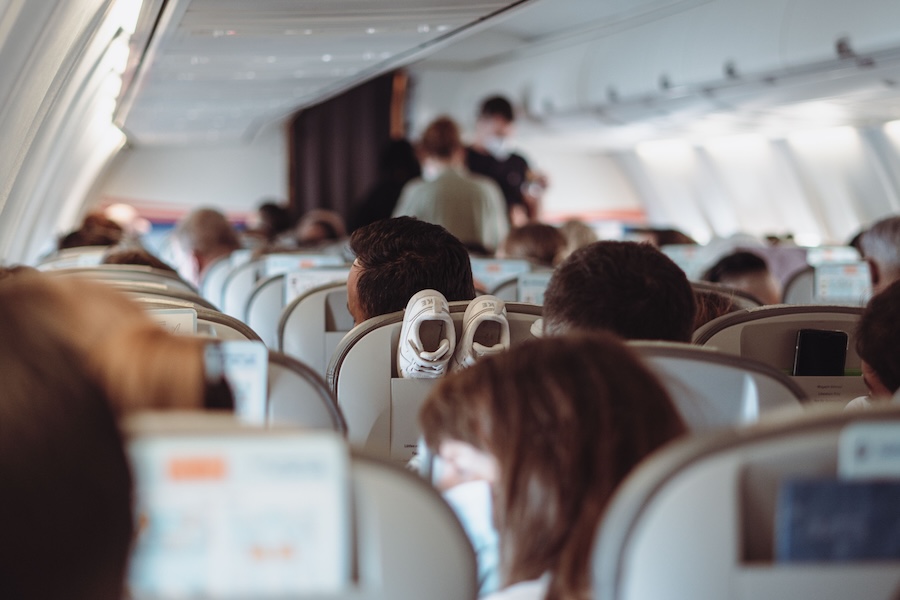
While turbulence isn’t the direct cause of plane crashes, it can cause injuries. In most cases this is because passengers aren’t seated or wearing a seatbelt.
Unexpected turbulence, most often clear air turbulence, can appear from nowhere – taking pilots and passengers by surprise. A sudden drop can cause passengers, cabin crew and any unsecured personal possessions to be thrown around the cabin.
This is why it’s vital to keep your seatbelt on, even if the sign has been switched off.
Why the fear or turbulence persists, even though you know it’s safe…
We know that the fear of turbulence for many passengers isn’t rational, but it is real – and the facts don’t always help. That’s because anxiety is caused by the unpredictability of turbulence and our lack of control over it.
Turbulence also feels unnatural and for some people, the feeling can be treated as dangerous.
When you experience turbulence (or for those with anticipatory anxiety, simply imagine it) your brain is responding in real-time. It’s not processing the feelings logically, but emotionally.
Experience and exposure is the best medicine. The more you fly, the more you become used to turbulence. But that doesn’t mean you have to deal with anxiety.
Breathing techniques, grounding and positive reframing can all help to reduce anxiety.
When a negative thought appears in your mind like:
“This turbulence feels like it’s going to bring down the plane”
Counter it with a positive thought:
“Planes are built to withstand turbulence at mush higher levels than I am ever likely to experience.”
Understand turbulence, don’t fear it
Turbulence is a normal part of flying and if you’re taking a trip on a plane, you’re likely to experience it. While it may feel uncomfortable, it’s never likely to be unsafe.
Understanding what turbulence is and its causes can all help. We’ve also created a guide to help dispel some of the common turbulence myths with facts.
If flying anxiety is stopping you from flying, you can find lots of resources on our Help Desk and in our Calm Flight Toolkit. If fear of flying books and self-help isn’t giving you the confidence you need, consider getting professional help. It’s worth it to experience the joy of travel.
Please share this article with anyone who might benefit from it.
FAQs
In the past, yes. However today, the likelihood of turbulence alone causing a crash is exceptionally rare. That’s because planes are safer, pilots are highly trained, and there are processes in place to help ensure you don’t experience extreme turbulence that could be a danger to the plane.
Sometimes pilots aren’t able to move to smoother air because other planes are too close. In other cases, there may simply be no smooth air to find. Pilots also need to balance passenger comfort with a range of commercial factors, including fuel, traffic, and safety. Most turbulence is short lived and the plane can – and will – fly through it safely.
There is some evidence that certain types of turbulence may be increasing in frequency, but not necessarily in severity. Regardless of whether there’s more turbulence or less, planes can safely fly through it.