
In brief
- Fear of flying (aviophobia/aerophobia) is common and treatable
- Your brain can misread normal flight sensations as danger, even though you recognise they’re safe
- CBT, graded exposure (including VR), and reputable nervous-flyer courses have the strongest evidence
- Building a personalised “calm flight plan” that starts before the airport and guides you in the air can help
There is help if you’re afraid of flying…
If you’re afraid of flying, you’re not alone. An estimated 40% of us have some nervousness and anxiety around flying (including some famous faces). Even when we understand how safe flying is and how rare accidents are, we can still be afraid.
We’re going to explore what causes fear of flying, and what’s happening in your body and mind.
To provide some context and reassurance, we look at how safe flying truly is and the science of flight to allay some of your fears. We’ll describe some skills you can use to give you confidence when you fly.
This guide is written for people who already know flying is safe, but can sometimes still feel panic. We’re focusing on the gap between what you know rationally and your emotional repsonse. We explore ways to close it.
Being afraid of flying doesn’t necessarily mean you have a flying phobia. (Aviophobia or aerophobia are clinical terms that need a professional diagnosis.) If your fear of flight is impacting your daily life, we’ll provide some recommendations for where you can get specialist support to help you.
In the end, you don’t need to love flying. We can help you accept your fear of flying and help you find the confidence to fly above it – not through it.

TLDR: What do do if you’re flying today
If you’re flying today and want some immediate support, we’re here for you.
Read our guide on how to reduce stress on the day of your flight.
You can also download our Calm Flight Toolkit, a portable passport to flight confidence. It’s packed with information, tips and advice to help you fly with more confidence.
Why understanding fear of flying can help you tackle it
We’re not born with an innate fear of flying. That means that being afraid of flying is something we learn – and that means we can unlearn it.
A fear of flying can develop over time and can be caused by a range of environmental and psychological factors, which we explore below.
Common causes of fear of flying and anxiety triggers (and potentially how you can tackle them) include:
- Loss of control: Many people afraid of flying struggle to relinquish control. When you step on board a plane, you put your faith in one of the safety systems in the world: commercial air travel. Instead of focusing on what you can’t control, focus on what you can by making micro-choices like choosing your seat, building a boarding and takeoff playlist, telling crew you’re anxious, and creating a written turbulence script
- Claustrophobia: The feeling of being trapped can trigger anxiety. To help, pick an aisle seat, set a comfortable temperature and direct the overhead vent towards you. Stand and stretch whenever you can to avoid feeling stuck and remember that pressurised doors and windows are there to protect you.
- Panic disorder history: Fear of flying can often be part of a wider pattern of anxiety and panic disorder. Breathing techniques and grounding exercises can be powerful. Another approach is to recognise anxiety and accept it, instead of fighting back. Conflict can often increase anxiety.
- Traumatic flights or media exposure: If a past experience like a stressful flight or a sensational news story has caused your fears then you need to reframe negative thoughts. For deep-seated fears, trauma-informed therapy can help untangle memories, empowering you to focus on the present.
- Flying alone or with children: Flying on your own or with children you’re responsible for can amplify anxiety. Having coping mechanisms (like those described in our Calm Flight Toolkit or guide to flying with kids) can help.
Understanding the cause of your fear of flying can be hugely powerful. In a professional counselling situation, an expert would guide you through this process and it can be hugely impactful and inspiring.
However, if you don’t have the time to do this, you can focus on your thoughts and try to piece together the causes of your flight anxiety. Think back to a time when you flew without fear. What has changed since then?
This process of thinking about your fear is the first step in recognising it and reducing its control over your life.

Why do I feel anxious?
The anxiety you feel about flying is real and it can have a significant physical and mental impact on you on the ground and during your flight. Even thinking about flying is enough to create anxiety in some people.
This anxiety is normal, because your brain thinks you’re in danger (even when it recognises, rationally, that you aren’t.)
The anxiety you may feel when thinking about flying or experiencing it is simply your nervous system trying to protect you from what it perceives as a danger.
This response can be triggered by anything. Some people find everything associated with commercial air travel triggering. Others may be fine with everything, until the plane hits turbulence. Recognising what causes your fear is an important first step in making a change.
During the flight itself, your body and brain are exposed to lots of new or unfamiliar sensations, including engine sounds, cabin pressure shifts and turbulence. These can be mistaken by your brain as threats.
For those who aren’t afraid of flying, these new sights, sounds and sensations are accepted and mentally filed under “safe”. For those of us with flight anxiety, they can be classed as dangerous and stack on top of each other. You might be worried about potential dangers, like bird strikes, or fixate on new sensations.
We know that anxiety follows a loop. The brain, perceiving a danger triggers physical sensations (sweating, increasing heart rate, tight chest, etc.). The brain interprets these as proof of danger which then accelerates the fear.
On the ground, you can rationalise these. When you’re in the air, the new sounds and sensations come quickly, which can accelerate this loop – leading to panic.
The good news is that this pattern is changeable and there are ways that we can “learn” not to become triggered and to control our anxiety. There are two ways to do this: learning what’s happening so we’re not triggered as much, and learning practical skills that can help us manage anxiety if and when it spikes.
Anticipatory anxiety: why it spikes before you fly
You may find that your fear of flying spikes before the flight and that, when you arrive at the airport or step on the plane, this anxiety dissipates (or at least, reduces). This is called anticipatory anxiety.
If you experience anticipatory anxiety, your mind effectively “pre-feels” panic. Instead of dealing with what is happening, you imagine what could happen (and it’s almost always much worse than the reality).
Anticipatory anxiety can lead to people making drastic decisions, like cancelling flights. This can train the brain to think that avoiding flight is the best way to stay safe, entrenching the feeling.
Instead, you need to learn to break through the anticipatory anxiety. Understanding how planes work and how safe aviation is are rational ways to train your brain to ignore negative thoughts. Learning breathing exercises and other techniques can stop anxiety from taking over, putting you back in control of your emotions.
The more you fly, the more positive experiences you can build up. You’ll also learn to recognise those sounds and sensations of flight (the sound of the landing gear being retracted, or the slight “drop” you feel when the engines reduce thrust shortly after takeoff). When these things become familiar, they become less scary – protecting you a little more from falling into panic.

Why you’re safe in the air (including during turbulence)
For many people afraid to fly, they know that air travel is safe, but it still makes them anxious. That’s because aviophobia isn’t rational, but it is real.
We believe that an understanding of how flying works and why your plane is safe during turbulence can help. (It’s why we created our fear of flying video series.)
Airline safety stats
If you’re afraid of flying, chances are you know all this already, but we’ll repeat it:
Pilots train for rare events. Planes are engineered for extremes. Commercial aviation runs on layers of safety. There are redundancies for all systems on the planes. Every aircraft goes through strict maintenance. Air-traffic control has standardised practices to keep you safe wherever you are in the world.
Check out how safe flying really is in our breakdown of 2025 airline stats.
How planes fly (and why they won’t fall out of the sky)
When planes take to the sky, they’re not up there by luck but by incredible engineering and a deep understanding of physics.
We’ve created a detailed guide on the mechanisms of flight and why your plane won’t fall out of the sky.
Effectively, the plane is designed and engineered to be in the air. That’s where it’s safest and most efficient, not on the ground. Planes are built to glide safely, in some cases for hundreds of miles.
Every model of aircraft goes through rigorous testing, putting it through extremes of weather far beyond anything you’re ever likely to experience in the air. And they always pass.
Takeoff and landing can feel intense. That’s because your senses notice acceleration, engine power changes and banking. But these are all completely normal and a part of every flight.
What happens during turbulence (and why it’s safe)
Turbulence is one of the most common triggers of anxiety, but it’s completely safe and normal.
Turbulence occurs when a plane flies through rough or disrupted air. This can be caused by things like storms or near high-level winds called the jetstream.
You can read more about the causes of turbulence and why it’s safe in our guides. Ultimately, turbulence is part of every flight and it’s safe and normal.
What happens at each stage of the flight
Every flight runs on pretty much the same process, which means we can predict each and every stage.
To help increase knowledge and reduce anxiety, we’ve created detailed guides on what happens during takeoff, landing and during turbulence.
Reading and reflecting on these can help to reduce fear and build familiarity with the whole process of flight.

Try these practical strategies if you’re afraid to fly
This guide is about practical ways that you can stop feeling afraid of flying – and that comes down to control. It’s also about feeling prepared and being prepared for your flight, physically, mentally, and emotionally.
Here are some practical strategies you can use if you’re afraid to fly:
- Before you book: In most cases, you’ll have a choice over when you fly, and it really matters. Choose daytime flights if bumps worry you. Pick an aisle seat if you feel claustrophobic or fear being trapped. Sitting over the wing or close to it can be more stable, so it’s a good choice if you’re anxious about turbulence. These can help, but don’t become fixated on them.
- The week before: In the run-up to your flight, you can start to prepare yourself mentally. You can read up about flying on Fly Above Fear and begin to use the breathing exercises or grounding techniques to calm you. Having these prepped means they’ll be easy to put into practice if you need them. The 5-4-3-2-1 technique can be highly effective here.
- The day before: You’ll want to feel well-rested and relaxed. Try to sleep as best you can and avoid excessive caffeine and alcohol. Eat healthily and exercise if you can. And try to stay away from triggers. We believe that a 20-minute walk will be much better for your body and brain than doom-scrolling turbulence videos.
- Create an in-flight comfort kit: A personal in-flight comfort kit contains everything you need for relaxation and distraction on your flight. Follow our guide on how to create one.
- Airport day: Know where you’re going, what you’re doing, and aim to arrive early. This predictability can reduce pressure on your nervous system.
- When you get on the plane: If your anxiety starts to peak, consider telling the cabin crew you’re a nervous flyer. They’re trained for this and will offer support, not judgement.
- Taxi and takeoff: During periods of peak anxiety, pace your breathing. Try and inhale for 4, exhale for 6–8. Longer exhales are a direct signal to your vagus nerve to settle. Understanding what’s happening can also help to settle your nerves, too, so read our takeoff and landing guides.
- Climb and cruise: When you notice a worry, instead of ignoring it, name it and accept it. Labelling them as “what ifs” reduces their power. The purpose of this is to restore power to you. .
- Turbulence: Turbulence is normal, so remind your brain of this if the bumps occur. Create a simple script you can repeat (like “Rough air, expert pilot, safe plane) you can say to yourself. If anxiety starts to spike, repeat the 5-4-3-2-1 grounding method.
- Descent and landing: Pressure changes can feel strange, with new sensations your body may be unfamiliar with. You might find that; swallowing, sipping water, or sucking on a sweet can help. Familiarise yourself with the landing procedure and work down the list like your pilot is.
You’ll find simple and evidence-based ways to reduce anxiety and boost confidence in our free Calm Flight Toolkit. Download it today and pack it for your flight.

Evidence-based treatments (what works and why)
Many people find that the exercises and approaches we’ve outlined above can help them to get the confidence to fly. Over time, things that cause large amounts of anxiety lose their power.
If you experience a strong fear of flying, you may want to consider professional support and therapy. Some of the treatments for fear of flying include:
Cognitive Behavioural Therapy (CBT)
Considered the gold-standard for anxious flyers, CBT maps the fear loop and helps you challenge catastrophic predictions. It’s effective at tackling anticipatory anxiety and flight fears.
Working with a trained therapist, you’ll learn to retrain your thoughts and tackle your fear of flying. CBT has the strongest evidence for specific phobias, including flight anxiety. There are tools you can develop to help you calm anxiety during a flight, without drawing attention to yourself.
You’ll also find a new range of AI fear of flying apps, with some evidence to support them.
Exposure therapy (including interoceptive work)
Exposure therapy gradually reduces the impact of anxiety triggers by treating your brain that the sensations and sounds you’ll experience during flight aren’t anything to fear. The treatment often involves building a ladder of increasingly challenging steps.
You might start by watching flights, then visiting an airport, and all the way through to taking a short flight. It can be effective but it’s a lengthy process and may not tackle the root causes of anxiety for some people.
Acceptance-based approaches and mindfulness
Another approach is called acceptance and commitment therapy (ACT). Instead of trying to fight against the anxiety, ACT encourages you to embrace it – effectively carrying this discomfort while flying.
This method is often aligned with practical strategies, like mindfulness, breathing and grounding that can reduce anxiety in the moment.
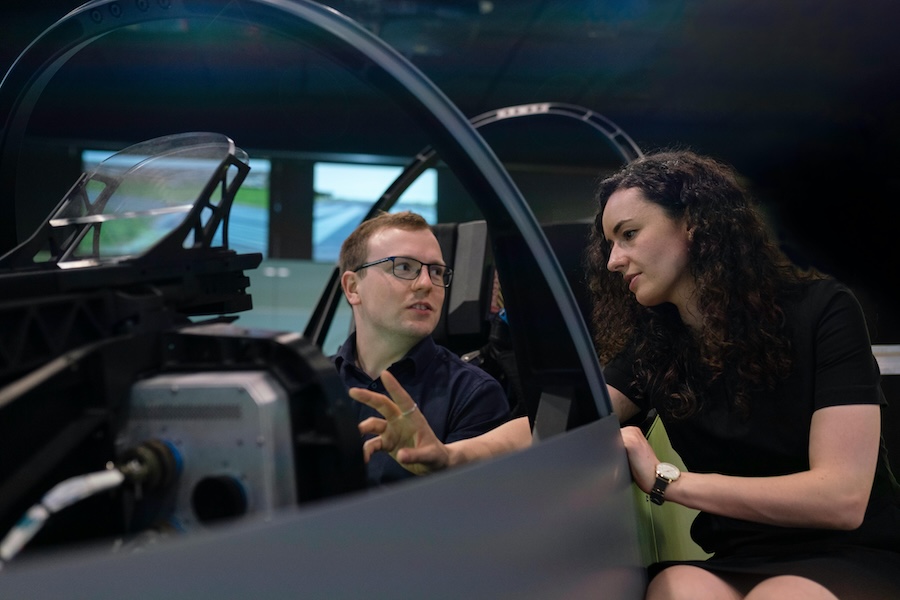
Virtual reality therapy for fear of flying (VRET)
VRET provides a realistic simulation of the cabins, engine sounds and turbulence you might experience in the air, but all in a controlled environment. You can experience flight without the perceived danger. You can repeat specific aspects of flights (like takeoff, landing and turbulence).
VRET for fear of flying works on the principles of exposure therapy that controlled exposure to traumatic situations can reduce anxiety over time.
Hypnotherapy for fear of flying
Hypnotherapy doesn’t have the evidence base to support other theories, but that doesn’t mean it won’t work for you. The techniques can aid relaxation and reframing for some people.
If you’re considering hypnotherapy for flight anxiety, ensure the practitioner is qualified and that their skills practice beyond generic scripts and provides targeted support.
Airline-operated fear of flying courses
Many airlines across the world offer fear of flying courses that enable you to learn about the mechanics of flight and then (if you choose to), experience a real flight. During the short flight, the captain or first officer will talk through what’s happening.
Self-reported success rates for courses are very high, but most measure impact by the number of people who will take the short flight. There’s less evidence that these courses provide long-term confidence, but their continued success suggests they must work for some people.
Medication
We’re not medical experts and aren’t able to provide guidance on medication. We know that some fearful flyers will use medication to give them the confidence to fly. Always speak to a trained medical professional and take their advice on suitable medications for fear of flying.
We can’t recommend the right treatment and solution for you. It’s important to spend some time consider what you can manage on your own and why you may need to seek some professional help.
Fly above your fears, not through them
Being afraid of flying can limit your experiences and have a lasting effect on your mental and physical health. We hope that we have shown that there are things that you can do to release yourself from these fears.
Using the practical tips and advice here, you can regain control and restore confidence. If your fear of flying is a phobia that’s life limiting, then seek professional help.
Also, define what success is. The reality is that you don’t have to eliminate all fears of air travel, but reduce it to a level that’s manageable. Over time, your brain will learn that flying is the fastest and safest way to explore the world. When you’re ready, it’ll be there waiting for you.
Please share this guide with anyone who could benefit from it.
FAQs
Aviophobia and aerophobia are used interchangeably. The roots of the word are different, but if you use either, most people will understand you’re talking about a fear of flying.
Turbulence is uncomfortable but it’s not unsafe. Modern aircraft use a whole range of systems (advanced weather forecasting, in-flight measuring tools and PIREPs) to avoid turbulence. Pilots can also often spot rough air, especially that caused by storm clouds, and avoid it. The seatbelt sign being switched on is to prevent injuries, not signal danger.
This is normal. During takeoff, the engines use lots of power to generate enough lift for the plane to leave the ground. Once the plane is in the air, pilots adjust (and reduce) thrust after to manage noise, performance and fuel.
Reviews of fear of flying courses suggest that many people find them transformative because they combine pilot knowledge and psychological skills with a real flight. We can’t say with confidence that these people are cured, but many get the confidence to fly – and that, to us, is success.
Choosing the best seat depends on what triggers your flight anxiety. Choose the aisle for space, wing for reduced motion, front for quicker disembarkation. There’s no overall “best” choice – it depends on you.
We’ve got loads. Read our detailed guide on flying alone which provides tips, information and advice that can help you.
About the author
The article was written by Lawrie Jones, an experienced journalist who has written about engineering, healthcare, and anxiety for most of the UK’s leading publications. He was previously an anxious flyer who has conquered his fears.