
In brief
- If you’re flying today, here are some practical ways you can reduce anxiety and restore confidence
- Breathing exercises are powerful at reducing stress and can be done discretely
- Focus on relaxation at every stage of the journey, from your trip to airport to your time on the plane
Practical ways to reduce anxiety and restore calm
If you’re flying today and feeling anxious, it can be unsettling. It can be especially hard if this fear feels new or stronger than it used to be. Many people are surprised by how suddenly flight anxiety can appear, often during periods of stress or change.
What you’re experiencing isn’t a sign that something is wrong with you. Instead, it’s the brain responding to uncertainty. While you may not be able to switch that response off completely, you can influence how intense it feels.
In this guide, we’re going to provide you with some clear information to de-stress the day and help you enjoy your flight.
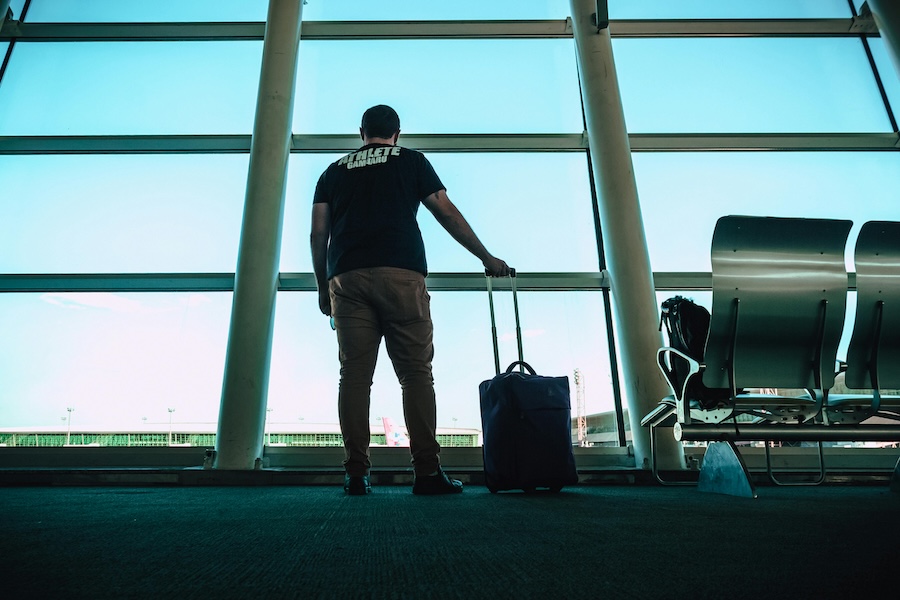
Use our simple breathing guide
Nervous flyers can find the morning of a flight heightens anxiety.
If you feel your anxiety start to rise, slow breathing can help calm the nervous system.
- Breathe in gently through your nose for 4 seconds, then breathe out slowly through your mouth for 6 seconds
- Pause briefly, then repeat
You’ll hopefully find that longer exhales tell the brain that you’re safe. Doing this exercise for just one or two minutes can take the edge off fear. It won’t completely remove it, but it will help to ground you a little more.
You can use this exercise at home, in the airport, or during the flight. If you need more support, then download our free Calm Flight Toolkit. You can also find guides on our Help Desk pages.
Calm enough to fly
Hopefully the breathing exercise has helped to calm you. One of the biggest pressures that anxious flyers put on themselves is the idea that they must feel completely calm before flying. That expectation often backfires, creating more anxiety. It can become a negative spiral.
Instead, of trying to be perfect, let’s be practical.
A more realistic goal is to feel calm enough to get through the journey. Experience shows that anxiety often peaks before boarding and during early stages of the flight. It then eases as the experience of flying becomes familiar.
Feeling anxious now or as you board, taxi or takeoff does not mean the entire flight will feel this way.
The aim is to find a place where you feel comfortable to get on the plane and experience the flight in its entirety.
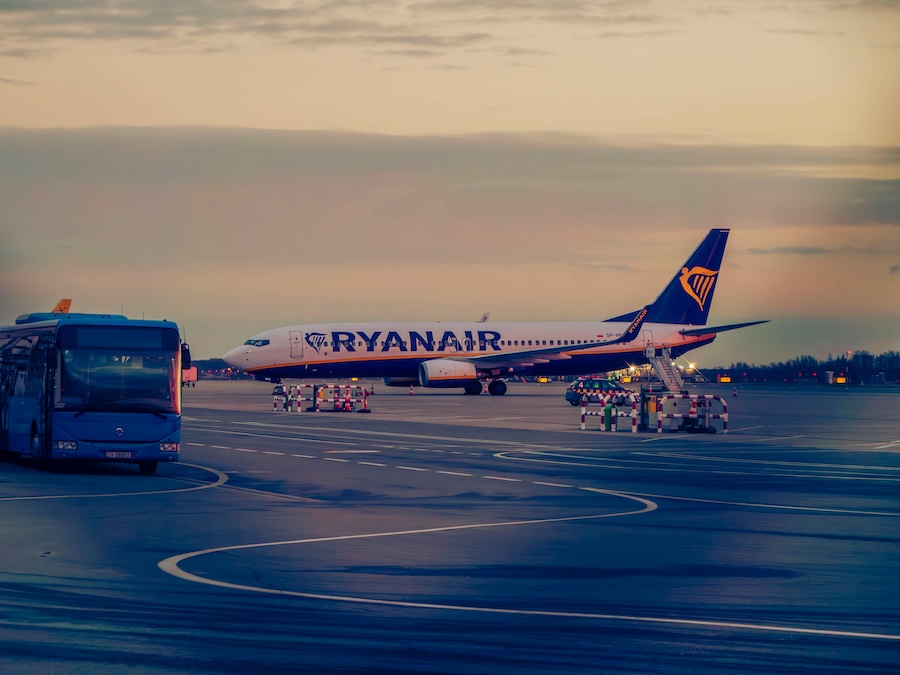
At the airport and during boarding
Airports can heighten anxiety because they’re busy, noisy, and full of anticipation. Some people find the energy of an airport off-putting.
Before entering the airport, prepare your body and mind. Remind yourself that your body is reacting to stimulation, not danger.
Give yourself enough time to get to the airport and relax (as much as possible). Rushing through check-in and passport control can heighten anxiety. Instead, give yourself the time to do all the things you need to do (including familiarising yourself with the airport, using the toilet, finding your departure gate, grabbing a drink and something to eat).
Boarding can be another trigger. Again, give yourself enough time to get on the plane. You may prefer to be the first or last passenger. Either way, make your way calmly to your seat, strap yourself in and listen to the safety briefing.
Cabin crew are trained safety professionals. Their primary role is passenger safety, including responding to medical situations and are there to help.
If you feel panicky or unwell, you can let a member of crew know quietly. This is something they deal with routinely, and you won’t be judged for it.
Managing sensations and thoughts during the flight
Once on board, anxiety can shift into physical sensations. You might experience dizziness, nausea, or a tight chest. These sensations are common effects of adrenaline and while they’re uncomfortable, they’re not harmful. Your body is simply responding to perceived danger in the way it knows how.
You might find a distraction (like listening to familiar music, watching something light on a tablet or screen, or focusing on a simple task like a crossword puzzle) can help to reduce anxiety.
The aim isn’t to distract yourself entirely, but an attempt to stop your anxiety turning inward and entering a negative spiral and becoming panic.
Turbulence is a common trigger for anxious flyers. While it can feel dramatic, it is a normal part of flying and does not indicate danger. Aircraft are designed to tolerate far more turbulence than they ever encounter. Read our turbulence guide to learn more about what causes it and why you’re safe.
What to do if anxiety spikes suddenly
Sometimes fear rises quickly, even when things seem to be going well. If this happens, you’ll want to experience the feeling and it can help to allow the feeling to pass – not try to fight it.
Attempting to ground yourself in the present moment can help interrupt catastrophic thoughts.
Simple things like the 5-4-3-2-1 technique (where you notice what you can see or hear around you) can help to slow your breathing and restore calm.
The reality is that panic rises and falls. Even when it feels intense, it does not last forever. Sometimes, you need to ride the wave until it passes.
A final word of reassurance
Flying is incredibly safe, with millions of flights safely taking off and landing every year. Fear of flying can be debilitating, but it doesn’t define you. Many people experience periods of flight anxiety that ease again with time, understanding, and support.
There are things you can do to reduce anxiety levels, calm your breathing and help you to fly above fear – not through it. You can find in-flight reassurance with our free Calm Flight Toolkit and reading information on our Help Desk.
You don’t need to be fearless to fly. In fact, most of us experience nervousness and anxiety at the airport or on the plane – and that’s OK. But you’re not passive when faced with panic.
Please share this article with anyone who might benefit from it.
FAQs
If you’re worried about flying today, then use the breathing exercises, grounding techniques and mindfulness strategies in our Calm Flight Toolkit.
Aviation accidents are tragic, but they’re incredibly rare. If you’re worried about a recent accident, spend some time understanding how planes fly and how small the risks are. There are ways you can train your brain to ignore intrusive thoughts and focus on other things.
Turbulence is a natural part of flight and while it’s unsettling, it’s not unsafe. Avoid checking turbulence forecasts and instead learn what turbulence is and why it’s safe to fly through. Use our Calm Flight Toolkit to reduce stress and restore some confidence.
