- Many frequent filers find that fear of flying gets better over time, as you get used to the sites sounds and sensations
- Sometimes fear of flying can develop with no noticeable causes in people who haven’t been afraid of flying before
- To cope with your fear of flying, you should develop ways to reduce stress, understand how planes fly (and why you’re safe) and the relationship between anxiety and control
- If your fear of flying is affecting your personal or professional life, it’s a good idea to get expert help
More flight, more anxiety?
While many of us only fly for leisure activities, business travellers can find themselves having to travel frequently, in many cases, without controlling when they travel or even where they sit. This lack of control can increase feelings of powerlessness which can increase fear of flying in some.
Not all business travellers find this. Regularly flying can help to reduce anxiety through a process known as desensitisation. By exposing yourself to something that causes anxiety, it loses its power.
Each of us experiences flying fear in different ways, but the fundamental principle is that you weren’t born with a fear of flying, you’ve learned it. Over time you can develop tools, techniques and methods to fly with calmness and confidence.

What causes fear of flying in frequent travellers?
Fear of flying, flying anxiety and aviophobia are all the same way to describe the feelings of anxiety at flying.
We can’t diagnose the cause of your fear of flying, because it’s unique to you. But there are some common causes of flying anxiety, including:
- Loss of control
- Other phobias (claustrophobia, fear of heights, etc.)
- Previous flight trauma
- Changing life circumstances and emotional trauma (births, deaths, breakups)
- High stress levels – very common among business travellers
For some, understanding the cause can help. For others, being able to pinpoint the root cause of their fear doesn’t always help. That’s because fear of flying isn’t rational, but we know it is real.
Many nervous flyers make huge progress in dealing with their fear of flying but others need a little extra help from a professional, and that’s OK.
Many anxious flyers will actively avoid flying. Such avoidance behaviours can provide a short-term sense of relief, but it can further strengthen the fear of flying, making it hard to get on a plane in the future.
Want to know more?
Afraid of turbulence? A pilot explains why you – and your family – are safe
Free fear of flying help: Tips, tools & resources to fly without fear
Stress-reduction strategies for frequent fliers
If you have to fly for your work, then learning some coping strategies can have a hugely positive impact on the experience of flying.
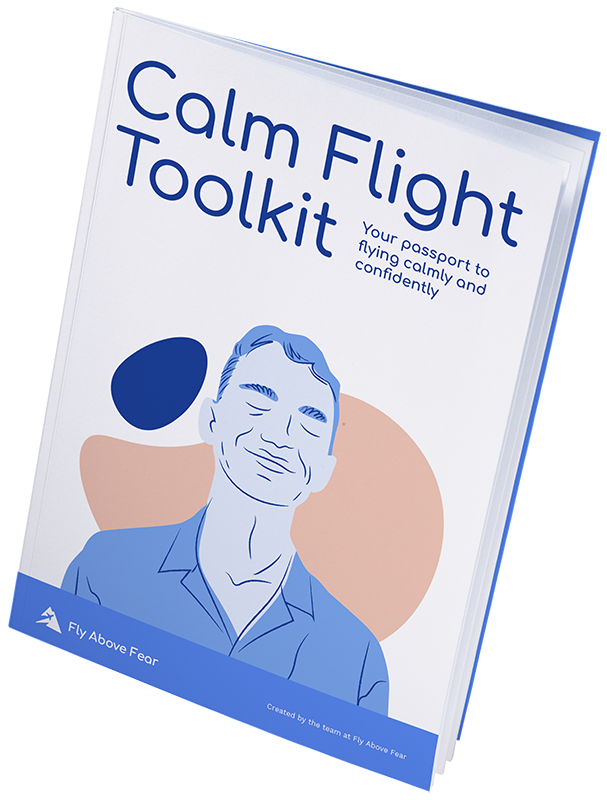
As well as our Help Desk, which is packed full of information and advice, and we’ve created a Calm Flight Toolkit, which you can download and take with you while you travel.
One powerful and portable calming exercise is 5-4-3-2-1 – which you’re highly likely to be familiar with.
- Name 5 things you can see
- Name 4 things you can feel
- Name 3 things you can hear
- Name 2 things you can smell
- Name 1 things you can taste
We’re all different and you’ll need to find the coming exercises that work for you. That could be a breathing exercise, grounding, or mindfulness. It may be a combination of these.
You can find some information here are about different techniques, including:
Another thing to reflect on is how you personally deal with anxiety. Sometimes, attempting to distract yourself – through entertainment or stimulants like alcohol – can backfire.
Accepting anxiety is part of the flight experience can be liberating, and might be something to consider.
Does flight anxiety go away?
While many websites, publications and providers claim they can treat fear of flying. This sets an unrealistic expectation that you can fly with no fear whatsoever, which can lead to distress if you still feel some anxiety before or during a flight.
You may always fly with some nervousness, and that’s OK. Instead of trying to cure your fear, a better strategy is to understand what’s happening when you fly, to learn practical techniques that can help you to reduce stress, and build confidence through successful flights.
This is the principle that we built Fly Above Fear on, based on evidence, experience, and insights.
Please share this article with anyone who might benefit from it.
FAQs
FAQs
We can’t diagnose the cause of your fear of flying, because it’s unique to you. However, there are some common causes of flying anxiety, including loss of control, high stress levels (which is very common among business travellers), previous flight trauma, other phobias, or changing life circumstances. Sometimes, understanding the cause can help, but since fear of flying isn’t rational, pinpointing the root cause doesn’t always.
It sets an unrealistic expectation to think you can fly with no fear whatsoever, which can lead to distress if you still feel some anxiety. You may always fly with some nervousness, and that’s OK. The better strategy is to focus on understanding what’s happening when you fly, learning practical techniques to reduce stress, and building confidence through successful flights.
Learning coping strategies can have a hugely positive impact. One powerful and portable calming exercise is the 5-4-3-2-1 technique: name 5 things you can see, 4 things you can feel, 3 things you can hear, 2 things you can smell, and 1 thing you can taste. Other options include breathing, grounding, or mindfulness exercises. You might also find it liberating to simply accept anxiety as part of the flight experience.