In brief
- There are many reasons why the seatbelt sign stays on longer on some flights, including forecast clear air turbulence (CAT), airline regulations and pilot attitudes to risk
- Instead of fixating on the seatbelt sign, learning what turbulence is any why it’s not dangerous can help to reduce anxiety
- If turbulence is a trigger for your anxiety, breathing, grounding and mindfulness exercises can all help
Seatbelt sign doesn’t always mean danger
The seatbelt sign being switched on is a common trigger for anxious flyers who are conditioned to believe it’s a sign of danger, but it’s not always the case. Pilots may be required to leave it on at specific moments, or it may be used as a precaution.
The seatbelt sign is turned on at specific high-risk moments including takeoff and landing and during turbulence. Many passengers become nervous when the sign is turned on, but you it reflects potential for turbulence not the reality.
Confident flyers take the seatbelt sign being switched on as a signal that the flight crew are watching out for the passengers – and you can, too.

When pilots use the seatbelt sign
Pilots use the seatbelt sign at specific points in the flight, including:
- Taxi: The sign is used to ensure passengers are seated while the aircraft maneuvers on the ground.
- Takeoff: Passengers must be buckled in for safety as the aircraft begins its initial ascent.
- Landing: The sign is illuminated during final approach and descent to keep passengers safely seated.
- During turbulence: It acts as a precaution to minimise injury from unexpected movements and allows cabin crew to secure the cabin.
- When crew are using the toilet: This serves as a standard security procedure to ensure cabin safety during transitions.
- Arrival: The sign remains on until the aircraft has fully arrived at the gate and the engines are shut down.
This isn’t an exhaustive list, but should help you understand when the seatbelt sign may be used and why.
Why is the seatbelt sign switched on during cruise?
You’ll spend the majority of your flight in cruise. Here are some of the reasons why the pilot may switch on the seatbelt sign – and leave it on longer than expected.
Expected turbulence
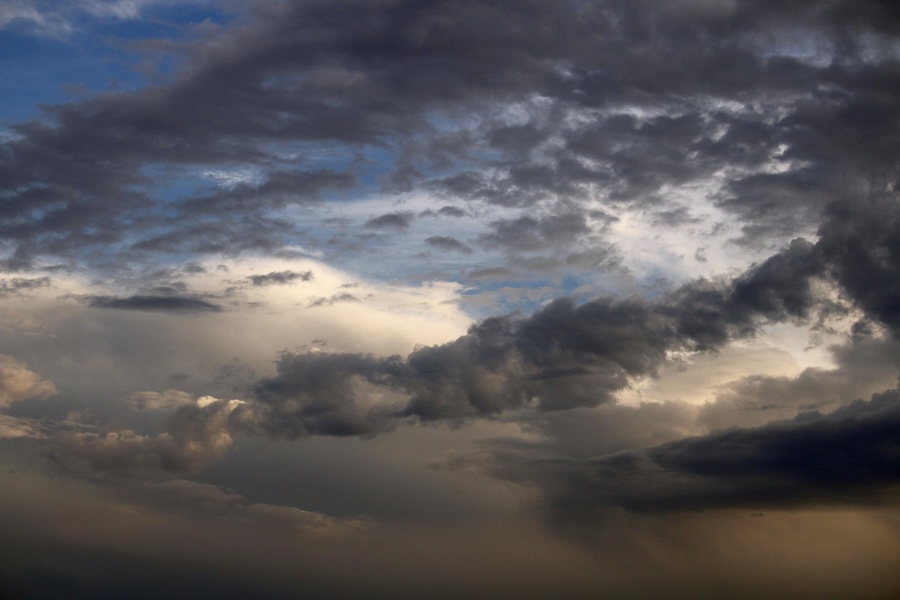
Pilots may be flying into areas where turbulence is predicted and expected. This might be near the jet stream, an active storm system, through clouds, or over known systems that might cause turbulence, like the equator.
Before each flight, and during it, pilots can access forecasts that can predict areas of turbulence. They’ll use the seatbelt sign before they enter areas of turbulence to ensure all passengers, and sometimes crew, are safe, sat down and belted in.
Reported turbulence
Pilots receive real-time reports of turbulence and bad weather while they’re in the air through a system called PIREPs. Pilots flying close by may report turbulence and the captain may decide the risk is enough to leave the seatbelt sign on.
If there are areas where turbulence may be expected, the seatbelt sign may stay on.
Weather is dynamic, and the turbulence may never appear. If it does, leaving the seatbelt sign on ensures passengers and crew are safe from any movements.
Operational issues
On some flights, cabin crew may need unobstructed access to the plane. This can be challenging if passengers are walking around and so the seatbelt sign might be switched on.
Operational issues should be dealt with quickly and are highly unlikely to be emergencies. It’s almost always something routine!
Restroom breaks
Pilots sometimes need to use the toilet and can switch on the seatbelt sign. This enables them to use the toilet as quickly as possible and return to the flight deck.

Pilot attitude and assessment of risk
Each pilot and co-pilot makes their own decision on when to switch on and off the seatbelt sign.
Some international travellers have found that US pilots are more likely to switch the seatbelt sign on and leave it on than their Asian or European counterparts.
There’s no objective and empirical evidence to support this. When you’re on a plane and in the air, the pilot is in control of everything, including when to switch the seatbelt sign off.
Switch being left on
It’s true that pilots make small errors like leaving the seatbelt sign on for far longer than they need to. Sometimes, they simply forget to turn the seatbelt sign off.
It’s a reminder that pilots are people, too.
Try not to stress about the seatbelt sign
The seatbelt sign being switched on – and left on – is a common trigger, but you need to learn it doesn’t always mean danger. The seatbelt sign is switched on before turbulence appears, and it may never appear. If it does, having passengers seated and strapped in ensures they’re protected.
Understanding why the seatbelt sign is used can help you the next time you’re at 30,000 feet.
If you need extra reassurance, download the Calm Flight Toolkit and check out the Help Desk. They’re packed with relaxation exercises and evidence-based guides to help you.
Please share this article with anyone who might benefit from it.
Frequently asked questions
Turbulence isn’t always visible, and pilots often rely on reports from other aircraft or weather systems to prioritize caution. It’s a proactive measure to ensure passenger safety, not an indication of immediate danger. Remember, the crew is actively monitoring the skies ahead on your behalf.
While it’s natural to seek reassurance, remember that cabin crew are highly trained safety professionals. If they are moving about the cabin or performing their duties as normal, it is a clear sign that the flight is proceeding exactly as expected. Often, observing their calm, professional way is more reassuring than asking questions.
The seatbelt sign remains on during the initial climb and into the early cruise phase while the aircraft reaches its assigned altitude and the cabin crew prepares the cabin. This is standard procedure to ensure all passengers are settled and secure before the crew begins service or moves through the aisle.