In brief
- The seatbelt sign being switched on is a common anxiety trigger for nervous flyers
- In a heightened state of anxiety and arousal we can interpret normal things – like the seatbelt sign being switched on – as signs of danger
- The seatbelt sign being switched on is the pilot’s way of keeping you safe. Instead of seeing it as a negative, understand it’s a positive signal that they care about your wellbeing
Why the seatbelt sign spikes anxiety
Many anxious flyers (including me!) get a sudden spike of anxiety when the familiar chime sounds and the seatbelt sign illuminates. In a heightened state of arousal, our minds can interpret a standard safety feature as a warning of imminent danger – including turbulence.
The seatbelt sign is a standard part of every safety routine. It’s there to keep us safe from incidents and injuries. The stats show that if we remain seated and strapped in we’re protected.
So, why do we consider the seatbelt sign as an anxiety trigger? We explore the science and psychology of the seatbelt sign, including why it’s switched on (and may stay on). We’ll also share some ways to provide reassurance and restore calm when you need it.
Why the seatbelt sign triggers flying anxiety
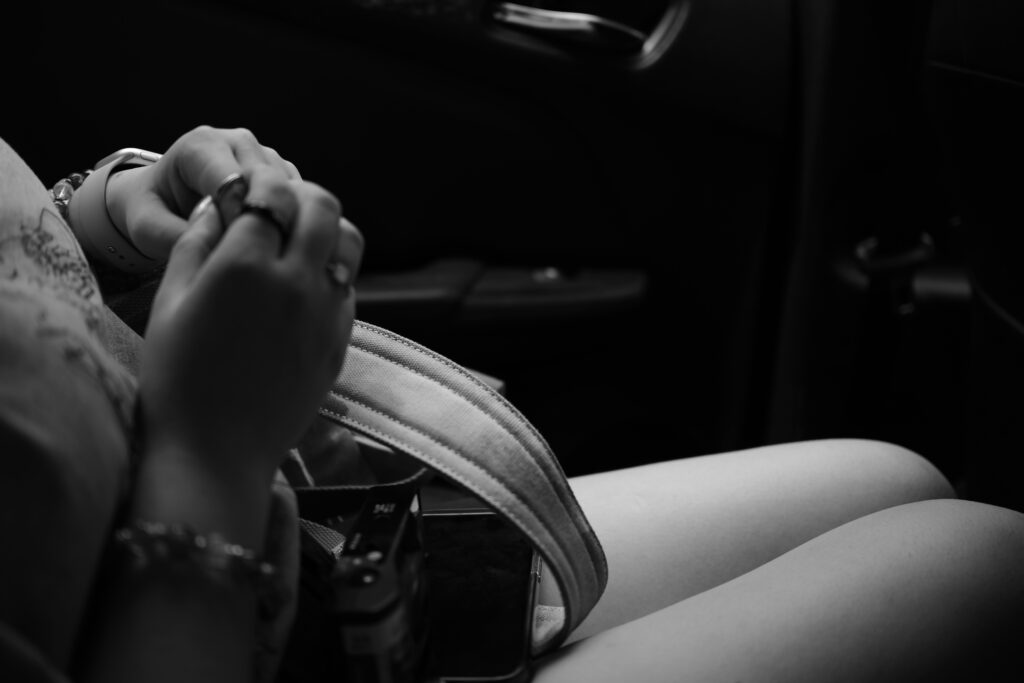
Hearing and seeing the seatbelt sign being switched on may be physical sensations, but they can have a psychological connection, too. The sign being turned can trigger a loss of control, anticipation, and body alarm responses.
Psychologists call this misophonia, and it describes the anxiety caused by the sound or illumination of the seatbelt sign.
It’s not the sign, but what our mind’s believe it represents.
When the seatbelt sign is switched on, we may automatically prepare mentally and physically for turbulence. We may sweat, our heart rate may go up and tension may appear throughout the body.
The sign being switched on can literally trigger the fight-or-flight response because we perceive that we’re in danger.
This instinctual and unconscious response can be powerful. But we need to learn to tame it, using rational thought, relaxation techniques and positive reframing. It starts with understanding why the seatbelt sign may be switched on – and why it doesn’t mean anything is wrong.
5 Common Reasons the Seatbelt Sign Stays On (That Aren’t Emergencies)
The seatbelt sign is used for a variety of reasons, says the Flight Safety Foundation. Here are five of the most common reasons why the seatbelt sign may be switched on – and stay on for longer than expected.
- Expected or reported turbulence
At cruising altitude, the seatbelt sign can be used to get passengers to sit down and buckle in because turbulence is expected, or has been reported through PIREPs). Pilots will switch on the sign as a precaution, even if the ride is currently smooth. Pilots know that turbulence isn’t a problem, but they want to keep you, the other passengers, and the crew safe.
- Standard operational phases
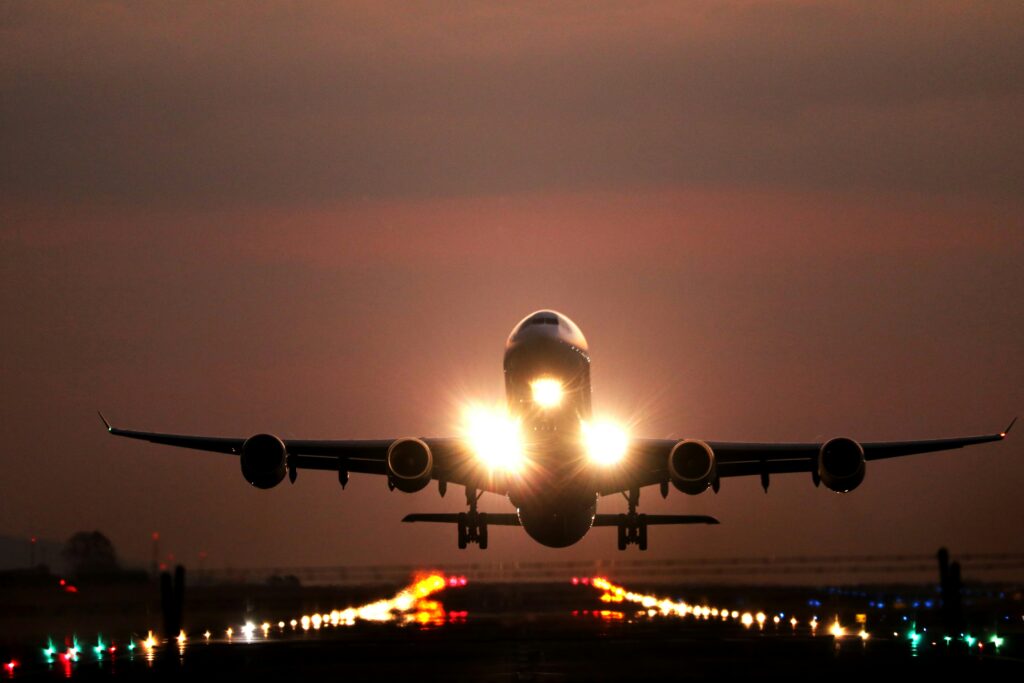
The seatbelt sign will always be on during specific parts of the flight, including takeoff, ascent, climb, approach, landing, and taxiing. This is simply to keep passengers safe at what are, statistically speaking, the riskiest part of any flight.
- Flight crew operations & toilet breaks
The seatbelt sign can also be switched on because the pilots and crew need to take toilet breaks. Switching the sign on also keeps aisles clear for cabin service or pilot flight deck transitions (when the crew change over on long-haul flights).
- Pilot risk tolerance
Pilots are in charge of the seatbelt sign and some are more sensitive than others. While there are clear reasons for switching the sign on, some pilots and airlines have different policies and procedures for keeping it switched on. There’s discussion on online forums about whether US pilots are more sensitive (and therefore more likely to switch the seatbelt sign on) than European ones.
- Human error
Pilots are people too and they may simply forget to switch the seatbelt sign off, even when the aircraft is flying in smooth air.
Understanding turbulence: Motion doesn’t mean danger!
One of the main reasons the seatbelt sign can spike anxiety is the imminent arrival of turbulence.
Many (most?) anxious flyers hate the unpredictable movement of turbulence. In some it can spark anxiety, potentially leading to a panic attack.
It’s natural because, in this moment, we perceive we’re in a dangerous situation and our fight-or-fight mechanism kicks in.
But we’re not in any danger.
Firstly, the sign may be switched on because there’s the potential for turbulence to occur. It doesn’t mean it will. In some cases, you’ll pass through an area that could be turbulent and feel nothing. (Of course, you can also fly through an area that’s meant to be smooth and hit CAT – which is why you should always keep your seatbelt on.)
Even if turbulence hits, it’s a routine part of flying.
Turbulence is a normal part of flight and it’s safe for aircraft to pass through it. The pilot is likely to have switched the sign on as a precaution, enabling all passengers to return to the safety of their seats and strap in.
As we’ve explained, modern aircraft are designed to flex, absorb motion, and ride through rough air – keeping passengers safe and protected.
To learn more about turbulence, its causes and why it poses no problems to a modern commercial airliner, read the nervous flyer’s guide to turbulence: Safety, causes & coping.
Grounding Techniques for restoring calm when the switch goes on
The seatbelt sign being turned on is a normal part of flying and there’s a strong chance it will happen during your flight. Understanding and accepting this is vital – as is developing a plan to deal with it if and when it does occur.
These exercises – and more – can be found in our completely free Calm Flight Toolkit, your portable companion for increased flying confidence.
Controlled breathing
When we panic, our breathing can become shorter and sharper. Slowing our breathing down and focusing on it mindfully can be powerful at breaking free from the anxiety spiral.
Try box breathing (also known as the 4-4-4-4 technique)
- Take a breath in for 4 seconds
- Hold it for 4 seconds
- Breath out for 4 seconds
- Pause for 4 seconds
It’s a simple exercise, but can help to reduce your heart rate, improve focus and restore calm. It can also be done discretely, without drawing attention to yourself.
Sensory grounding
When we panic,can become withdrawn, sucked into our own negative thought patterns. Grounding can help us to break free, focusing on what’s actually happening – not the negative picture our mind’s can present.
One great technique is called 5-4-3-2-1.
- 5 things you can see: Look around the cabin or out the window and notice five distinct visual details (e.g., the pattern on the seat in front of you, the overhead light symbol, or a cloud shape).
- 4 things you can feel: Notice four physical sensations, such as your feet pressed against the floor, the texture of your seatbelt, the fabric of your armrest, or cooler air coming from the vent.
- 3 things you can hear: Focus on three distinct sounds around you, like the steady hum of the engine, soft cabin chatter, or the rustle of a magazine.
- 2 things you can smell: Pay attention to two subtle scents, such as brewing coffee, a lavender essential oil wipe, or clean cabin air
- 1 thing you can taste: Focus on one taste, such as a mint, sugar-free gum, or a quick sip of water.
Cognitive reframing
Positive affirmations are a powerful way to counteract the negative internal voice that can invade our thoughts during anxiety. Having some pre-prepared positive affirmations on a phone Notes app or written down can be powerful.
Saying them quietly (or even thinking them) can reduce the power of negative thoughts, potentially protecting us from entering a panic cycle.
When the seatbelt sign is switched on, thinking or saying something like this can helo:
“The pilot has switched on the sign to keep us safe. If I sit down and put my seatbelt on I will be completely safe.”
The most powerful positive affirmations are those you create for yourself, so why not give it a try?
The seatbelt sign= safety
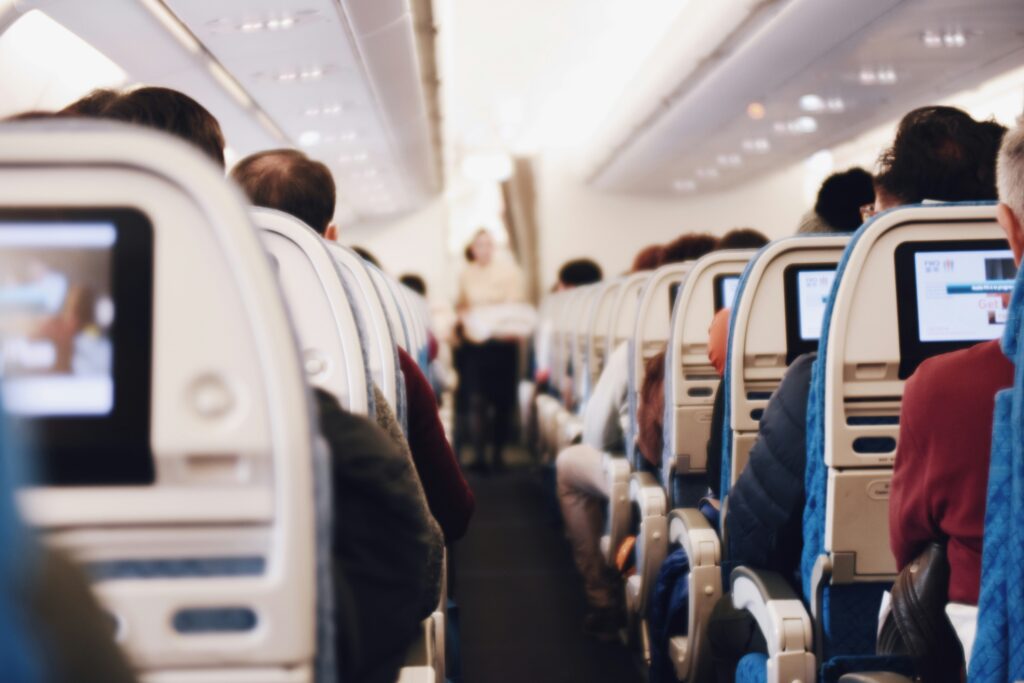
The seatbelt signs being switched is a sign that the pilots, crew and everyone involved in your flight is focused on your safety. Yes it may mean turbulence – but that’s not guaranteed, and if you stay seated and strapped in, it’s not a problem either.
If you’re flying, the seatbelt sign will be switched on at some point. Knowing this means you can develop a plan to deal with it. You can find lots of resources in the Help Desk. The Calm Flight Toolkit also contains everything you need in a portable package.
It’s also useful to learn more about aviation, understanding what turbulence is, what causes it and why it’s not a danger to you or the plane.
The next time the seatbelt sign comes on, remember: it’s there to keep you safe, not signify imminent danger.
Please share this article with anyone who might benefit.
FAQs
Pilots frequently illuminate the seatbelt sign before entering an area of potential rough air. They receive live weather updates and pilot reports (PIREPs) from other aircraft about upcoming conditions. Turning the sign on early is a standard safety precaution to ensure passengers and crew are securely seated before any turbulence occurs.
The seatbelt sign is a routine operational feature rather than an emergency signal, so there is no cause for concern. If you feel overwhelmed, it can be helpful to let a cabin crew member know you are a nervous flyer. Flight attendants are trained to support anxious passengers and can offer reassurance about flight conditions.
During ascent, the aircraft climbs through varying atmospheric layers where air turbulence or changing wind patterns are common. Pilots maintain the seatbelt sign until the aircraft reaches a stable cruising altitude or clear air. On occasion, pilots may also delay turning the sign off simply due to workload or minor oversight, but the aircraft is entirely safe.
Begin by slowing your breathing using the box breathing technique (breathe in for 4 seconds, hold for 4, exhale for 4, pause for 4). Next, use sensory grounding exercises like the 5-4-3-2-1 method to focus your mind on your physical surroundings rather than anxious thoughts. Remind yourself that the sign is switched on to protect you, not to warn of danger.