- If you’re flying in 3 days you’ve got enough time to plan, prepare and practice stress-reduction exercises
- Taking control of the flight experience and preparing can make you feel calmer and restore confidence
- While you may not be able to reduce all anxiety, these tips can help you increase calm and confidence, restoring a feeling of control
Planning and preparation can reduce anxiety
If you’re flying in 3 days and are beginning to feel anxious you’ll want to do everything you can to reduce stress, restore calm and increase confidence.
In this guide, we’re going to provide some evidence-based techniques, strategies and solutions that can help you to manage anxiety.
We can’t promise to remove all anxiety from flying. Instead, the tips here can help you to manage it, putting you in the best physical and mental place to fly.

Don’t check turbulence forecasts or weather
Fear of flying is often related to losing control. So many fearful flyers use weather forecasts, turbulence forecasts, jetstream trackers and thunderstorm predictors to try and predict what their flights will be like.
Aside from the fact that these forecasts are often inaccurate, they don’t help anxiety.
Why? Because they’re a reminder that you’re not in control.
Instead of checking forecasts or doomscrolling on social media, remind yourself of how safe flying is.
Eat healthily, avoid alcohol and reduce caffeine
Your mental health is influenced hugely by your physical health. Caffeine and anxiety both influence how your body regulates anxiety. While alcohol can provide an immediate relief from anxiety, it’s often short-lived and the hangover can be worse.
Caffeine is recognised as a key trigger for anxiety – as this meta-analysis shows. In recent years, scientists have also established that processed foods – and in particular ultra-processed foods (UPFs) – can also increase anxiety.
To put yourself in the best physical condition, avoid alcohol, reduce caffeine and eat a healthy and balanced diet.
Exercise, sleep and relax
Exercise is a fantastic way to manage and minimise stress, says the Mayo Clinic. It’s hard to focus on anxiety when you’re running, swimming, cycling or playing sports.
As well as focusing attention, exercise releases beta-endorphins. These act as natural mood lifters and pain relievers and can have a lasting impact on your mood.
Stress and anxiety can impact sleep quality. Exercise is a great way to improve sleep quality and quantity, say the experts at Johns Hopkins Medicine.
When you’re exercising and sleeping well, you’ll find you’re naturally more relaxed. In the run up to a flight, it’s important to focus on yourself and find ways that you can relax. This might be as basic as reading a book, enjoying a walk, or sitting down to watch a favourite film.
Finding ways to relax can reduce anxiety in the moment – which can have a lasting positive impact.
If you want a more focused approach, mindfulness and meditation are proven to increase relaxation and reduce stress. Experiments showed that mindfulness and meditation improves emotional regulation and brain structure, reduces anxiety, and enhances stress resilience.
Pack early and plan out in-flight entertainment
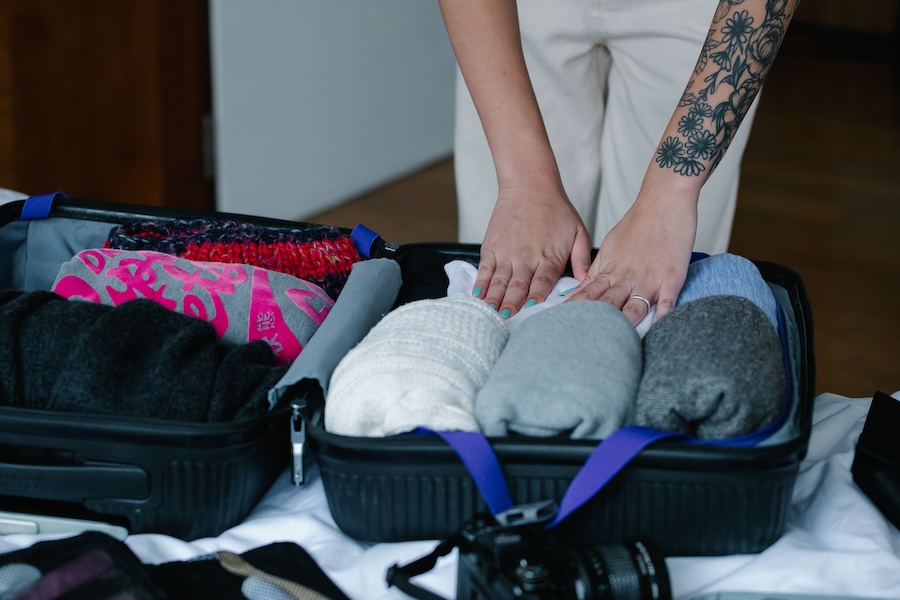
Confidence comes from preparation. Packing calmly and confidently can put you in a positive mental place to fly. You’ll want to pack everything you need to reduce in-flight anxiety.
This includes ensuring you have the essentials in one place, including your passport, tickets, details of accommodation and transfers and money. (There might be more you need, create the list yourself!)
We all know that flying is boring. Even short-haul flights will involve time in the air. The best way to deal with this is to plan.
What you take is entirely up to you, but we’ve written a guide on how to pack an in-flight calm kit with everything you need to pack for in-flight calm, including entertainment, hydration, nutrition and relaxation.
Practice for in-flight calm
Breathing exercises, mindfulness, and grounding techniques are all proven to work to help reduce anxiety. Too many people wait until the last minute to learn about what they are and how to do them.
If you’re flying in 3 days, you have enough time to learn what these techniques are and to practice them. Doing so will help you understand which work best for you. You’ll also understand the impact they can have at reducing anxiety, which will increase your confidence.
You can start here:
- Mindfulness techniques for fear of flying
- Grounding techniques you can use in the airport and on the plane
- Breathing techniques for in-flight anxiety
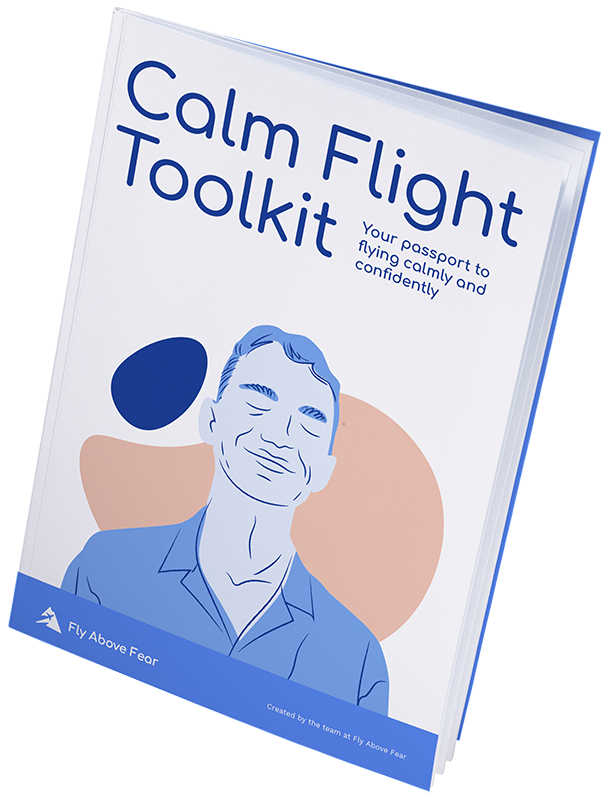
We’ve also created the Calm Flight Toolkit where you can find all of these exercises – and much more – in one place. Download it and store it on your phone or tablet, or print it for in-flight relaxation.
Understand how flying works
So much of the fear of flying is created by a lack of knowledge and experience. Knowing how planes fly, the noises you’ll hear when flying, and understanding what turbulence is (and why it isn’t dangerous) can all provide confidence.
The Fear of Flying section is filled with articles covering all this and more. If you’ve got 3 days before you fly, read each of these before your flight:
- The science of flight: Why flying is safe
- Turbulence explained: What’s really happening and why you’re safe
- Airplane noises explained
Avoid visiting YouTube. While there are some incredible resources, the algorithm is likely to start recommending unhelpful videos that can increase anxiety.
If you want reassurance from real people, we love the Reddit fear of flying group. You don’t need to post (unless you want to) but you’ll find a community dedicated to supporting anxious flyers like you. You can also read stories of people who have overcome their fears and flown.
Plan out your flight day
With 3 days left to go, you can plan out your flight day. We love doing this as it restores some control. Decide when you’re going to get up, how you’re going to get to the airport, when you’re going to leave and what you’re going to eat.
The you can plan and prepare the more calm and confident you’ll be. It’s also less likely that you’ll miss something which can take you by surprise and cause stress.
3 days to fly? You’ve got this!
Your flight is getting closer, but with 3 days left you’ve still got time to increase confidence and restore some calm. The tips here are evidence-based and backed by experience. Not everything here will work, but some of it should.
The aim isn’t to remove anxiety completely – because that’s not possible. Instead, it’s about finding small ways to reduce stress and anxiety. Collectively, they can have a big impact.
For more practical ways to reduce flying anxiety, check out the Help Desk and download the Calm Flight Toolkit.
From all of us at Fly Above Fear, have a great flight!
Please share this with anyone who might benefit from it.
FAQs
You can manage flight anxiety by prioritising your physical and mental wellbeing. Focus on reducing caffeine intake, avoiding alcohol, getting plenty of rest, and incorporating regular exercise into your daily routine. Planning your flight day in advance and preparing a kit with entertainment and comfort items can also help you feel more in control.
Checking forecasts often increases anxiety because it reminds you that you are not in control of the flight. These predictions are frequently inaccurate and do not help to calm your nerves. Instead of focusing on factors you cannot influence, remind yourself of the safety of air travel.
Your mental state is closely linked to your physical wellbeing. Caffeine is a known trigger for anxiety, and processed foods can also contribute to stress. By eating a balanced diet, staying hydrated and exercising, you can naturally lower your stress levels and improve your resilience against anxiety during your journey.